Finding extra strands on your pillow, in the shower drain, or tangled in your hairbrush can be unsettling. If you keep asking yourself, “why is my hair falling excessively,” you are far from alone. Most people shed somewhere between 50 and 100 hairs a day as part of a normal growth cycle, but when that number climbs, or when you notice thinning, widening partings, or visible patches of scalp, it is a sign that something deeper needs attention.
This guide walks through the most common reasons for excessive hair fall, how dermatologists diagnose the problem, and the excessive hair loss treatment in indore options that actually have evidence behind them. At Skinology, a leading skin specialist in Indore, our dermatologists see this exact concern week after week, and the good news is that most cases respond well once the right cause is identified and treated.
What Counts as Normal Hair Shedding vs Excessive Hair Fall?
Hair grows in cycles. Each strand spends years actively growing, then enters a resting phase before it falls out and a new one takes its place. This natural turnover is why losing a small number of hairs daily is completely normal and not a cause for worry.
Excessive hair fall is different. It happens when the growth cycle gets disrupted, pushing far more hair than usual into the shedding phase at once, or when follicles stop producing new hair altogether. According to Mayo Clinic, this disruption can stem from heredity, hormonal shifts, medications, or underlying medical conditions, and the right treatment depends entirely on identifying the actual trigger.
Warning signs that your shedding has crossed into excessive territory include clumps of hair coming out while washing or brushing, a noticeably wider parting, thinning at the crown, or round bald patches. If any of these sound familiar, it is worth getting a proper evaluation rather than guessing at the cause.
Common Reasons for Excessive Hair Fall
There is rarely a single explanation for sudden or ongoing hair loss. Dermatologists usually look at several overlapping factors before arriving at a diagnosis. Here are the reasons for excessive hair fall seen most often in clinical practice:
- Genetics and hormonal pattern baldness: Androgenetic alopecia, also called male or female pattern hair loss, is hereditary and progresses gradually with a receding hairline in men and crown thinning in women.
- Telogen effluvium from stress or illness: A major physical or emotional shock, such as surgery, fever, childbirth, or prolonged stress, can push large numbers of follicles into the resting phase simultaneously, causing sudden shedding a few months later.
- Nutritional deficiencies: Low iron, protein, zinc, or biotin levels are strongly linked to hair thinning. Cleveland Clinic notes that low iron is a particularly common and often overlooked cause of hair shedding in women.
- Hormonal changes: Thyroid disorders, polycystic ovary syndrome, pregnancy, and menopause can all alter hair growth cycles.
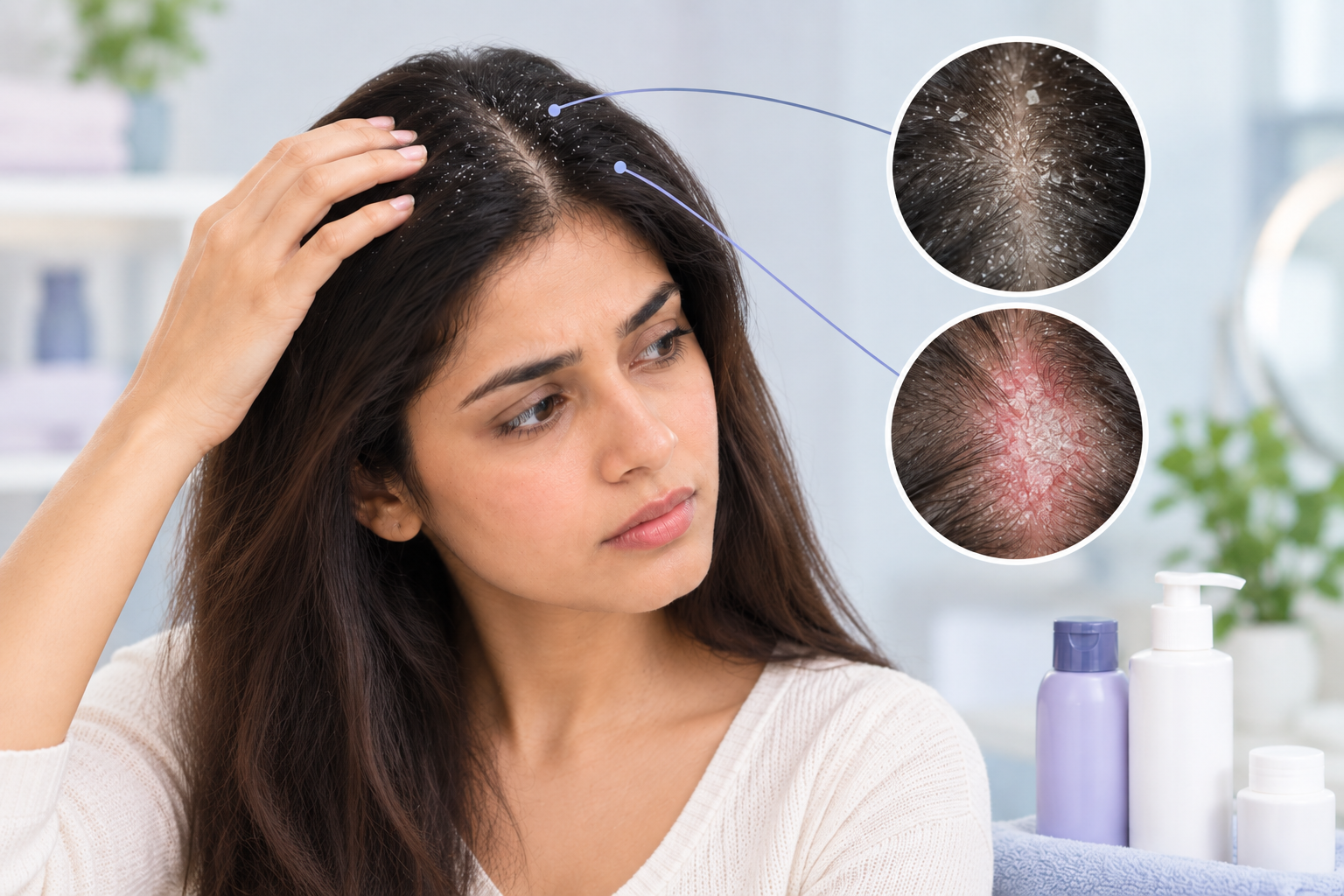
- Scalp infections and dandruff: Fungal infections and seborrheic dermatitis weaken hair roots, and Indore’s humid monsoon months often see a spike in these cases.
- Harsh hair care habits: Frequent heat styling, chemical treatments, tight hairstyles, and aggressive brushing damage the hair shaft and follicle over time.
- Certain medications and treatments: Some blood pressure medicines, antidepressants, and chemotherapy drugs list hair loss as a side effect.
- Autoimmune conditions: Alopecia areata occurs when the immune system mistakenly attacks healthy hair follicles, leading to patchy hair loss.
Because so many of these causes overlap, self-diagnosing from internet searches rarely gives a clear answer. A proper assessment by a dermatologist in Indore is the most reliable way to pinpoint what is actually driving your hair fall.
Hair Fall Causes and Treatment: How Is the Diagnosis Made?
Getting from symptom to solution starts with an accurate diagnosis. A dermatologist will typically begin with a detailed history covering your diet, stress levels, family history, recent illnesses, and any medications you are taking. This conversation alone often narrows down the likely cause considerably.
Next comes a physical examination of the scalp, sometimes using a magnifying tool called a trichoscope to study the hair follicles and shaft up close. Blood tests checking iron, ferritin, thyroid function, and vitamin D levels are commonly recommended, since deficiencies in these areas are easy to correct once identified.
In cases where the pattern of hair loss is unusual or doesn’t respond to initial treatment, a small scalp biopsy may be suggested. This thorough approach to hair fall causes and treatment is why visiting a qualified skin doctor in Indore consistently produces better, faster results than trying multiple over-the-counter products without knowing the underlying cause.
Excessive Hair Loss Treatment Options That Actually Work
Once the cause is clear, treatment can be targeted rather than generic. The following are the most evidence-backed excessive hair loss treatment approaches used by dermatologists today:
- Topical minoxidil: Available as a liquid or foam, this remains the most widely used over-the-counter treatment and can help maintain existing hair while supporting some regrowth.
- Oral medications: Finasteride is commonly prescribed for male pattern hair loss, while low-dose oral minoxidil has gained traction for both men and women under medical supervision.
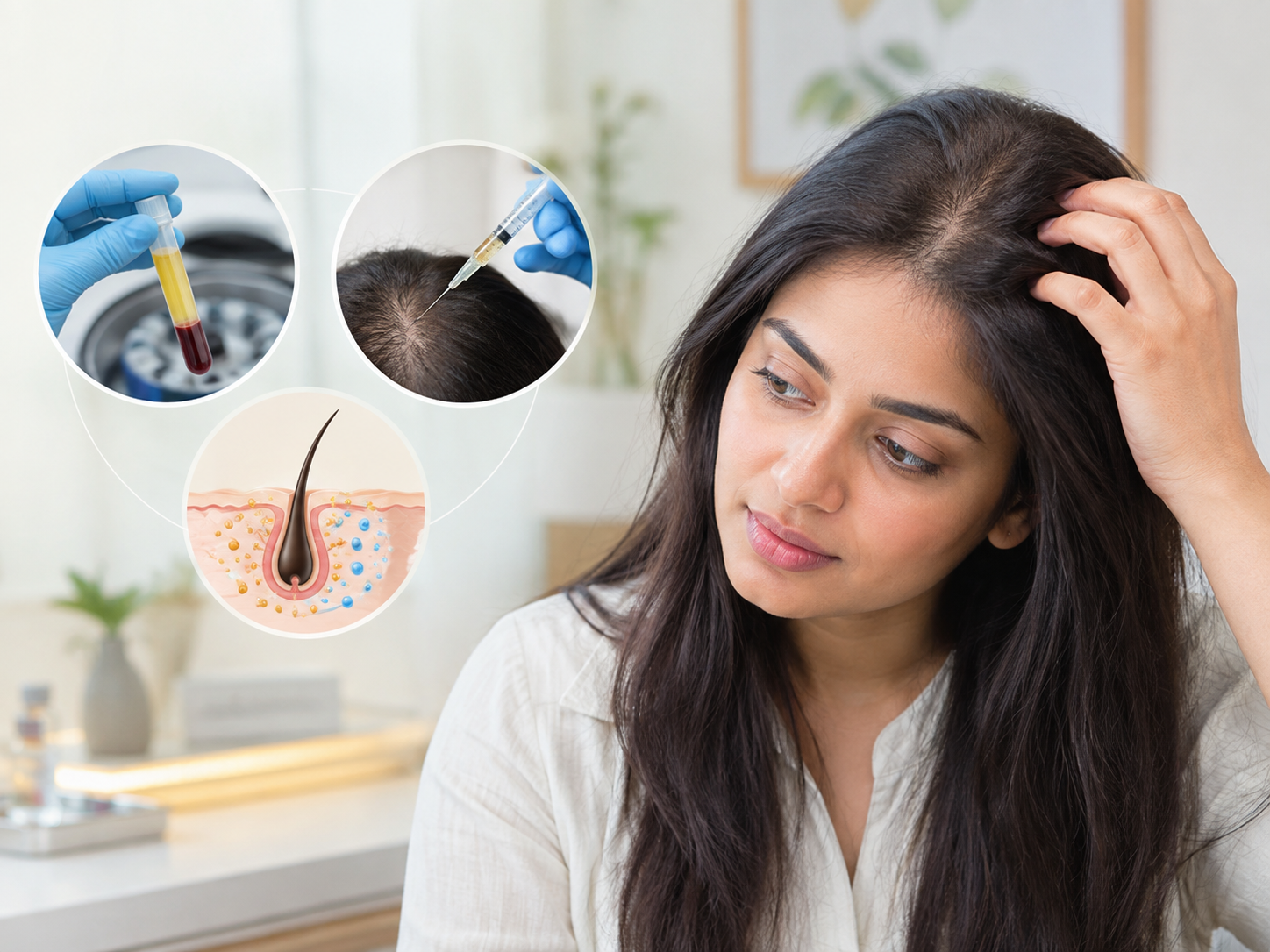
- Platelet-rich plasma (PRP) therapy: This in-clinic procedure uses a concentrate from your own blood to stimulate follicle activity and is often combined with other treatments for better results.
- Correcting underlying deficiencies: Iron supplementation, thyroid medication, or vitamin correction can resolve hair fall entirely when a deficiency or hormonal imbalance is the root cause.
- Antifungal and scalp treatments: When dandruff or fungal infection is contributing to hair fall, targeted medicated shampoos and treatments address the irritation at the source.
- Low-level laser therapy: Light-based devices are sometimes used alongside other treatments to support follicle activity.
- Hair transplant surgery: For advanced, stable pattern baldness, surgical hair restoration remains a long-term option for suitable candidates.
The American Academy of Dermatology emphasizes that early, accurate diagnosis directly improves the success of these treatments, which is why delaying a consultation often means losing valuable time.
Hair Fall Problem and Solution: Home Care That Supports Medical Treatment
Medical treatment works best alongside sensible daily habits. While home care alone rarely reverses significant hair loss, it can slow progression and support whatever clinical treatment your dermatologist recommends.
A few practical steps make a real difference. Eating a balanced diet with adequate protein, iron, and zinc supports the building blocks your hair needs to grow. Reducing the frequency of heat styling, chemical coloring, and tight hairstyles like braids or ponytails protects the hair shaft from unnecessary stress.
Managing stress through sleep, exercise, or relaxation techniques can also help, since chronic stress is a well-documented trigger for shedding. During Indore’s humid months, keeping the scalp clean and dry helps prevent the fungal and bacterial buildup that worsens hair fall. This combination of good habits and the right hair scalp problem and solution in indore plan from a dermatologist tends to produce the most lasting results.
When Should You Consult a Skin Specialist in Indore for Hair Fall?
Not every bad hair day needs a doctor’s visit, but certain signs call for professional attention sooner rather than later. You should book an appointment with a skin specialist in Indore if you notice sudden or patchy hair loss, a scalp that has become visibly thinner, hair fall accompanied by itching, redness, or flaking, or shedding that has continued for more than a few months without improvement.
Waiting too long can allow some causes, particularly autoimmune and hormonal ones, to progress further before treatment begins. Getting evaluated by a top dermatologist in Indore early gives you access to a wider range of effective options and a much better long-term outcome.
Why Skinology Is Recognized Among the Top Skin Specialists in Indore
At Skinology, every hair fall case begins with a detailed, individualized assessment rather than a one-size-fits-all prescription. Our dermatologists combine scalp examination, relevant blood work, and a careful review of your lifestyle and history to identify exactly what is driving your hair fall.
As one of the best skin specialists in Indore, our team builds treatment plans around evidence-based options, whether that means correcting a nutrient deficiency, starting medical therapy, or recommending an in-clinic procedure like PRP. Patients also benefit from structured follow-up visits, since tracking progress is essential to knowing whether a treatment is actually working.
Whether you are searching for a dermatologist in Indore near me for the first time or have already tried products that didn’t help, an accurate diagnosis from an experienced skin dr in Indore is the fastest path to real improvement.
Frequently Asked Questions
How much hair fall is considered normal in a day?
Losing between 50 and 100 hairs a day is generally normal and part of the natural hair growth cycle. This shedding usually goes unnoticed because new hair grows in at the same time. If you start noticing clumps of hair, a widening parting, or visible scalp, it may indicate excessive hair fall that needs evaluation by a skin doctor in Indore.
Can stress alone cause excessive hair fall?
Yes, significant physical or emotional stress can trigger a temporary condition called telogen effluvium, leading to noticeable shedding a few months later. This type of hair fall is usually reversible once the underlying stress is managed and the body recovers. A dermatologist in Indore can confirm whether stress is the primary cause or whether other factors are also involved.
Is excessive hair fall reversible?
Many causes of excessive hair fall, such as nutrient deficiencies, stress-related shedding, and certain scalp infections, are reversible with timely treatment. Genetic pattern baldness is generally not fully reversible but can often be slowed or partially improved with consistent treatment. The right approach depends on an accurate diagnosis from a qualified skin specialist in Indore.
Do home remedies work for hair fall, or do I need a dermatologist?
Home remedies can support healthy hair but rarely resolve significant or ongoing hair fall on their own. A balanced diet, gentle hair care, and stress management help maintain the hair you have, but identifying and treating the root cause usually requires professional evaluation. Visiting a top skin doctor in Indore ensures you are not relying on guesswork for a problem that may need medical treatment.
How do I book an appointment with a skin specialist in Indore for hair fall treatment?
Booking an appointment at Skinology is simple and the first step toward an accurate diagnosis and effective treatment plan. You can call the clinic directly, request a consultation through the appointment booking page, or schedule a follow-up visit if you are already a patient. Early consultation with one of the top ten skin specialists in Indore can prevent excessive hair fall from progressing further.
Don’t Wait for the Hair Fall to Get Worse
Excessive hair fall rarely fixes itself, but it responds well to treatment when the cause is identified early. If you have been searching for the best skin dr in Indore to finally get answers about your hair fall, the team at Skinology is ready to help. Book your consultation with Skinology today and take the first step toward healthier, fuller hair with a treatment plan built specifically for you.