Sun tanning is a natural response, but the way people try to fix it is not always safe. Many of the Common Tan Removal Mistakes That Can Damage Your Skin happen because of DIY hacks, harsh scrubs, and unverified home remedies picked up from social media. At Skinology, we see patients almost every week who have made their tan worse, not better, by following these shortcuts.
This blog breaks down the common tan removal mistakes that can damage your skin, explains why they backfire, and shows you what a dermatologist in Indore actually recommends for safe, lasting results. If you are searching for a trusted skin specialist in Indore or a tan removal treatment in Indore, this guide will help you understand what to avoid and what to do instead.
Why Tan Removal Needs Careful Handling
Tanning happens when your skin produces extra melanin to protect itself from UV rays. This is your skin’s defense mechanism, not damage on the surface alone. So when people try to strip away a tan using aggressive methods, they often hurt the deeper skin barrier instead of just removing pigment.
This is exactly why so many common tan removal mistakes that can damage your skin cause more harm than the tan itself. A weakened skin barrier leads to redness, dryness, breakouts, and in some cases, permanent pigmentation. Understanding these mistakes is the first step toward safer skin.
Mistake 1: Over-Exfoliating to Remove Tan Fast
One of the most frequent common tan removal mistakes that can damage your skin is exfoliating every single day. People assume that scrubbing harder and more often will fade the tan quicker. In reality, it strips the skin’s natural oils and disrupts the protective barrier.
Over-exfoliation can lead to:
- Micro-tears in the skin surface
- Increased sensitivity to sunlight
- Breakouts and inflammation
- Uneven pigmentation over time
Dermatologists generally recommend gentle exfoliation only once or twice a week, using mild, skin-friendly formulas rather than rough scrubs.
Mistake 2: Relying on Harsh Home Remedies
Lemon juice, baking soda, and raw tomato scrubs are popular kitchen remedies for tan removal. Unfortunately, these are also common culprits behind skin damage. Lemon juice is highly acidic and can cause chemical burns, especially when followed by sun exposure.
Baking soda disrupts the skin’s natural pH balance, while abrasive scrubs made at home lack the controlled formulation of clinically tested products. If you are dealing with facial tanning, this is one of the common tan removal mistakes that can damage your skin the fastest, since facial skin is thinner and more delicate.
Mistake 3: Skipping Sunscreen During Treatment
Many people stop applying sunscreen once they start a tan removal routine, thinking the skin needs to “breathe.” This is a serious error. Skin that is undergoing any kind of brightening or exfoliation treatment becomes more vulnerable to UV rays, not less.
Skipping sunscreen during this period can undo weeks of progress in a single afternoon. A broad-spectrum SPF 30 or higher, applied daily, protects healing skin and helps maintain the results of any professional tan removal treatment in Indore.
Mistake 4: Using Unregulated Skin-Lightening Products
Search any online marketplace and you will find dozens of skin-lightening creams promising instant results. Many of these contain unregulated levels of steroids or hydroquinone, which can cause thinning skin, visible blood vessels, or rebound pigmentation once stopped.
Using such products without medical guidance is one of the riskier common tan removal mistakes that can damage your skin because the damage is often not visible immediately. It builds up silently and shows up weeks later as irritation or dark patches.
Mistake 5: Ignoring Your Skin Type
A treatment that works well for oily skin may cause irritation on dry or sensitive skin. People often copy remedies or products used by friends or influencers without checking whether it suits their own skin type.
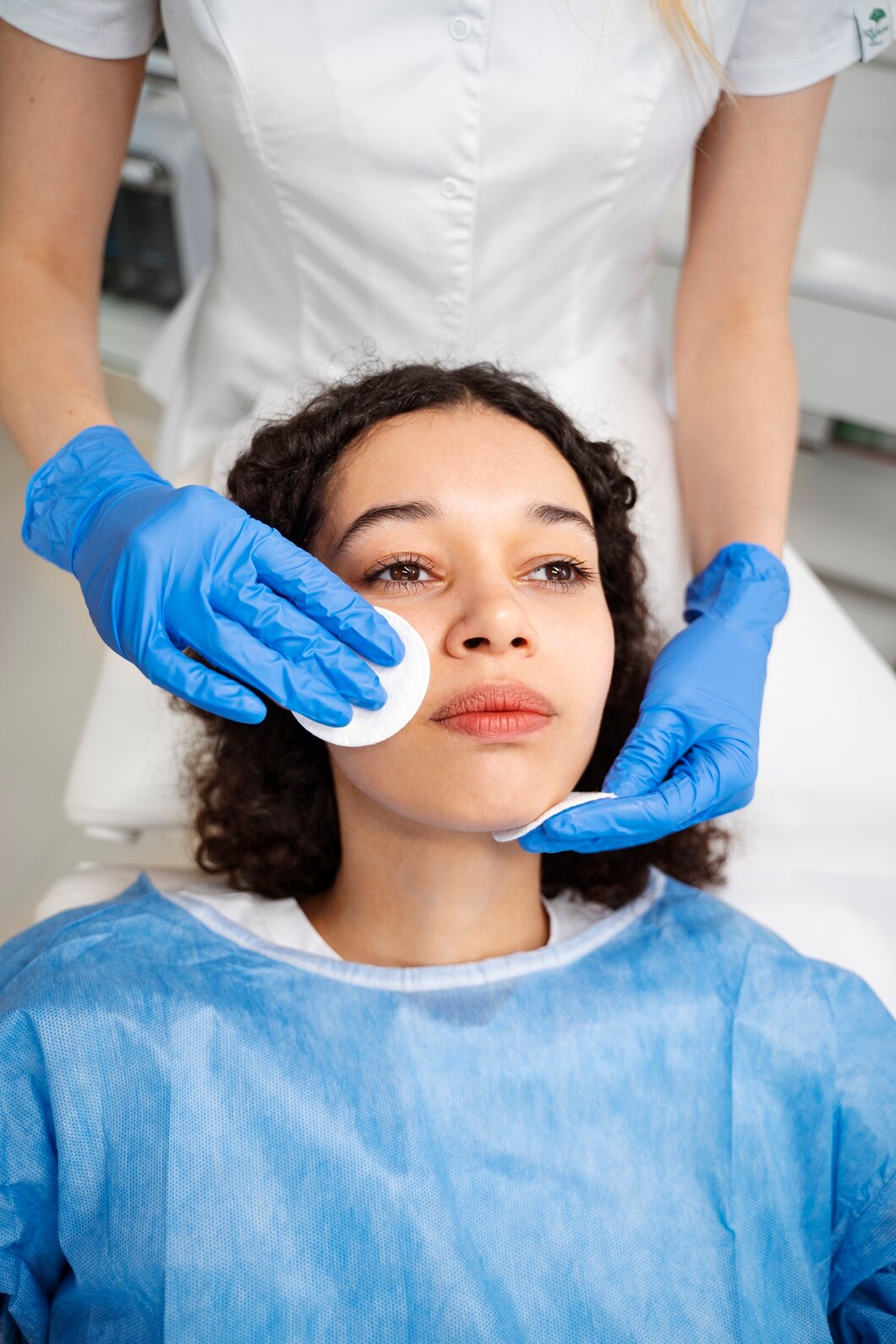
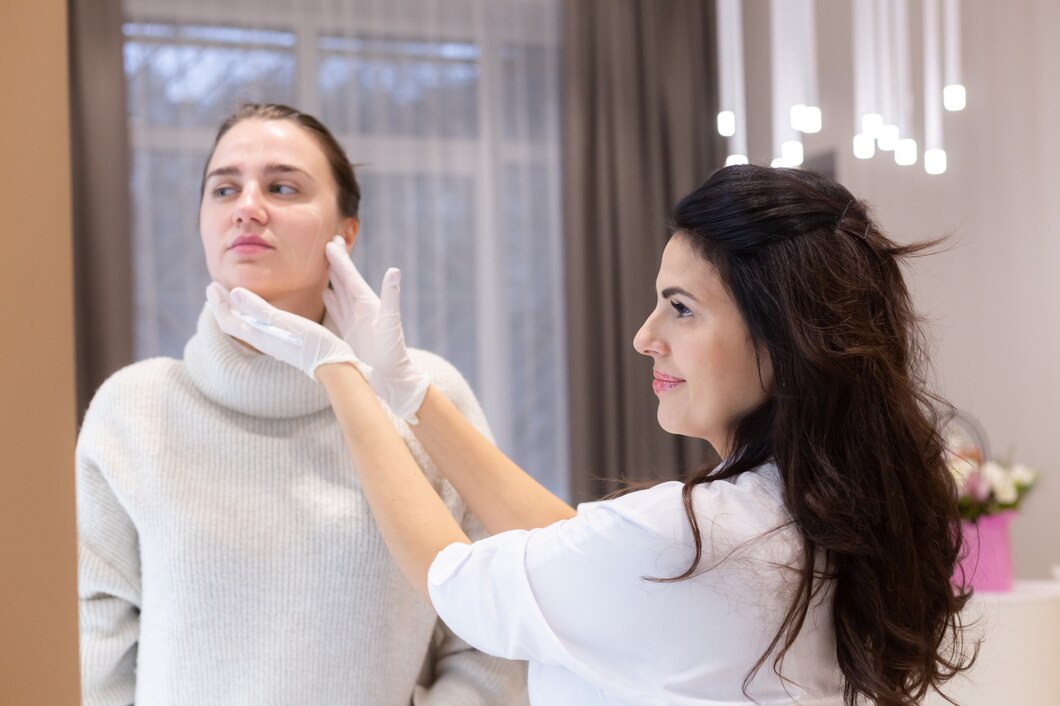
This mismatch is a major reason behind failed at-home tan removal attempts. A skin doctor in Indore can assess your skin type and tanning depth before recommending any product or procedure, which significantly lowers the risk of side effects.
Mistake 6: Picking or Peeling Tanned Skin
Some people try to speed up tan removal by peeling flaking skin manually. This can tear healthy skin underneath, leading to scarring, infection, or patchy pigmentation. Natural skin renewal should be allowed to happen on its own, supported by gentle care rather than forced peeling.
Mistake 7: Overusing Multiple Products at Once
Layering several tan removal products, such as a peel, a bleaching cream, and a scrub, all in the same week, overwhelms the skin. This combination approach is one of the common tan removal mistakes that can damage your skin that patients rarely connect to their breakouts or irritation. Less is often more when it comes to skincare recovery.
What Dermatologists Recommend Instead
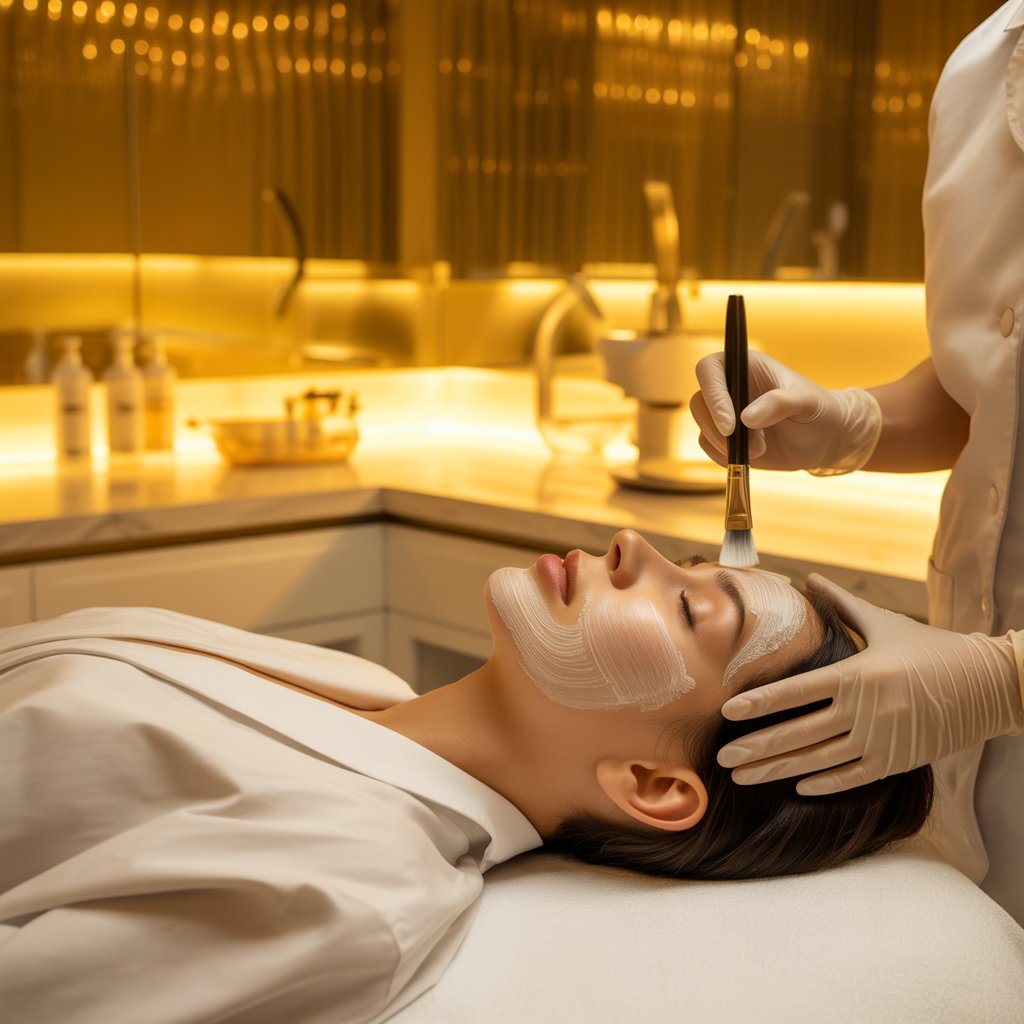
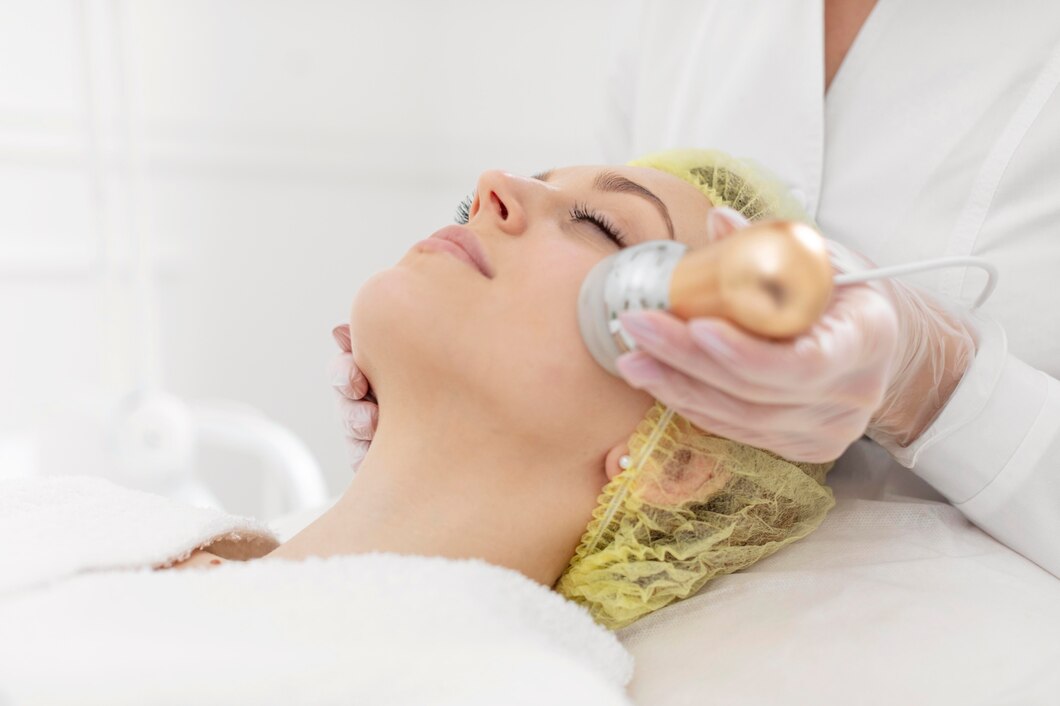
Rather than relying on guesswork, dermatologists at Skinology assess your skin type, tan depth, and sun exposure history before suggesting a plan. Common professional options include:
- Chemical peels tailored to your skin tone
- HydraFacial for gentle exfoliation and hydration
- Laser skin rejuvenation for deeper pigmentation
- Medical-grade skin-brightening treatments
- Customized at-home skincare routines
These methods are designed to work with your skin barrier, not against it, which is the key difference between professional care and DIY shortcuts.
Finding the Right Skin Specialist in Indore
If you are based in Palasia, Vijay Nagar, Old Palasia, or near Bombay Hospital, professional help is closer than you think. Skinology offers tan removal treatment in Indore with a focus on safety, skin health, and visible results. Our clinic is known among patients searching for the best skin specialist in Indore or a top skin doctor in Indore for both skin and hair concerns.
Whether you are looking for a dermatologist in Indore Vijay Nagar or a professional skin brightening treatment in Indore, our team creates a plan around your specific skin, not a one-size-fits-all routine.
The common tan removal mistakes that can damage your skin include over-exfoliating, using harsh home remedies like lemon or baking soda, skipping sunscreen during treatment, using unregulated skin-lightening creams, ignoring your skin type, peeling tanned skin manually, and combining too many products at once. These habits weaken the skin barrier and can worsen pigmentation. A dermatologist-guided plan, using chemical peels, HydraFacial, laser treatments, or customized skincare, offers safer and longer-lasting tan removal.
Frequently Asked Questions
1. What are the most common mistakes people make while removing a sun tan?
Using harsh DIY remedies and over-exfoliating are among the most common tan removal mistakes. These practices can damage the skin barrier, cause irritation, and increase pigmentation instead of improving your skin tone. A dermatologist can recommend safer alternatives.
2. Can home remedies damage my skin while trying to remove a tan?
Yes, some home remedies may irritate or damage your skin if used incorrectly. Ingredients like lemon juice, baking soda, or abrasive scrubs can cause redness, dryness, and sensitivity, especially on delicate facial skin.
3. Is it safe to exfoliate every day to remove a tan?
No, daily exfoliation is not recommended for tan removal. Over-exfoliating weakens the skin’s protective barrier, leading to irritation and increased sensitivity. Dermatologists usually recommend gentle exfoliation only once or twice a week.
4. Why is sunscreen important after tan removal treatment?
Sunscreen helps protect your skin from further UV damage and prevents tanning from returning. Applying a broad-spectrum sunscreen with SPF 30 or higher daily supports healing and helps maintain treatment results.
5. Which tan removal treatments are recommended by dermatologists in Indore? Dermatologists recommend treatments based on your skin type and tanning severity. Common options include:
- Chemical peels
- HydraFacial
- Laser skin rejuvenation
- Medical skin-brightening treatments
- Customized skincare plans
These treatments are designed to improve skin tone safely.
6. Can using skin-lightening products without medical advice be harmful?
Yes, using products without professional guidance may cause skin irritation or uneven pigmentation. Some ingredients may not be suitable for every skin type. A dermatologist can recommend products that are safe and effective for your skin.
7. How can I remove a stubborn tan safely?
Stubborn tanning is best treated with professional dermatology procedures rather than repeated home remedies. A personalized treatment plan may combine medical skincare with advanced procedures to gradually restore an even complexion.
8. How many sessions are usually required for professional tan removal?
Most people need multiple treatment sessions to achieve the desired results. The exact number depends on skin type, depth of tanning, sun exposure history, and the chosen treatment method. Your dermatologist will tailor the treatment plan to your skin.
9. When should I consult a dermatologist for sun tan?
You should consult a dermatologist if your tan persists for several weeks or is accompanied by pigmentation or uneven skin tone. Early treatment helps prevent long-term skin damage and improves treatment outcomes.
10. Where can I get safe tan removal treatment in Indore?
A qualified dermatologist can provide personalized tan removal treatment based on your skin condition. After evaluating your skin, they may recommend advanced treatments and medical skincare to safely reduce tanning while maintaining healthy, radiant skin.
Book Your Consultation at Skinology Today
Do not let the common tan removal mistakes that can damage your skin cost you weeks of healthy skin recovery. Visit Skinology for a professional, personalized tan removal treatment in Indore, guided by experienced dermatologists who understand your skin type and concerns.
Book your consultation today with Skinology, your trusted skin specialist in Indore near me , and take the first step toward safe, even-toned, radiant skin.