
Acne in your 30s happens because hormonal shifts, stress, and slower skin cell turnover replace the oil-driven breakouts of your teenage years, which means the benzoyl peroxide wash that worked at 19 often does nothing at 35. Adult acne tends to sit deeper along the jawline and chin rather than across the forehead, and it responds to a different approach entirely. If you only read this far, that’s the core of it.
Why Does Acne Come Back in Your 30s?
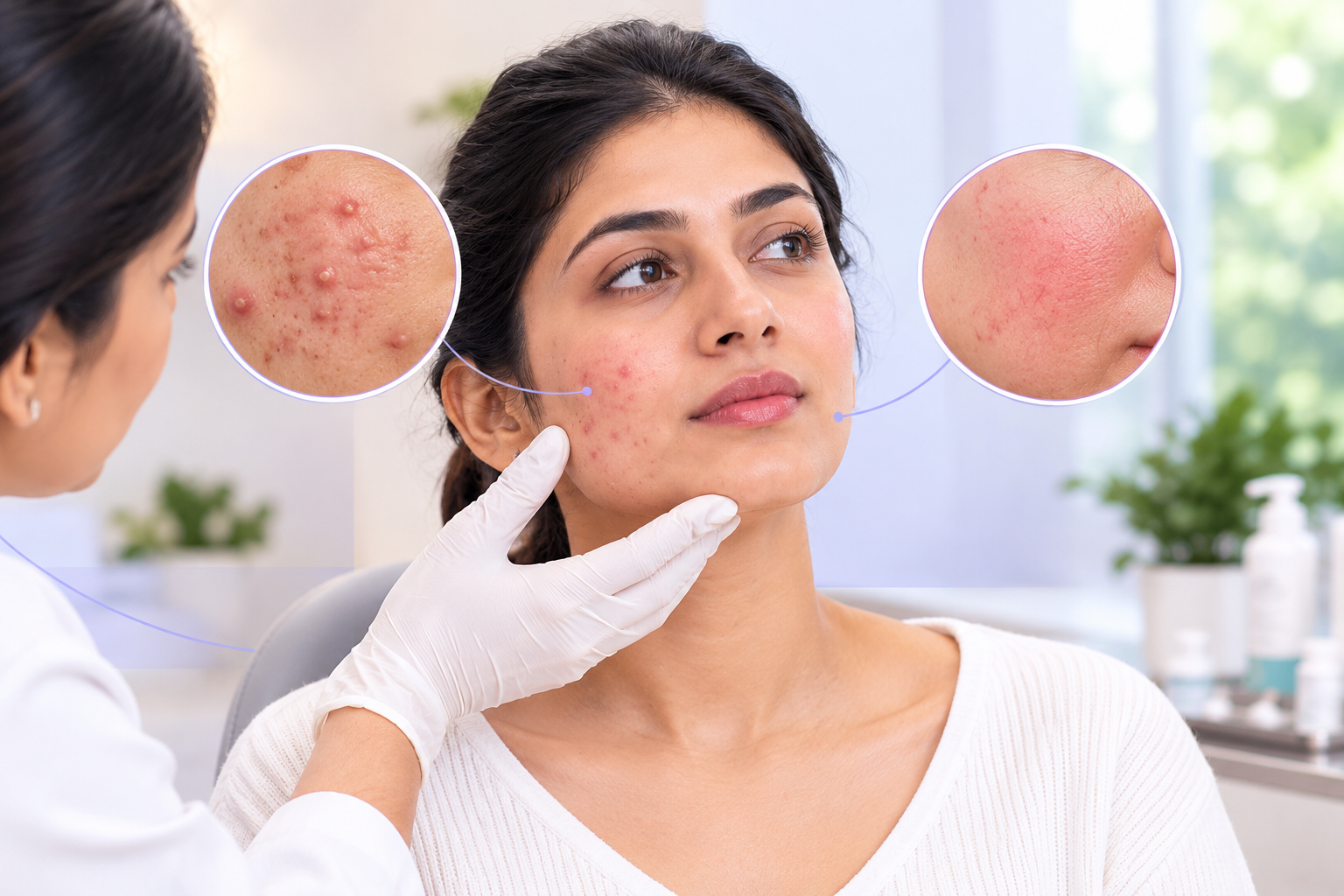
Teenage acne is mostly about excess oil production driven by puberty hormones. Adult acne works differently. It’s usually tied to fluctuating hormones from stress, thyroid changes, PCOS, or simply how your skin ages, and it often shows up as deep, tender bumps rather than the surface-level whiteheads you dealt with at 17.
This is exactly why the same drugstore products stop helping. Your skin isn’t reacting to the same triggers anymore, so treating it with the same tools rarely produces the same results.
Common reasons adult acne appears or persists:
- Hormonal fluctuations from stress, PCOS, or thyroid changes
- Slower skin cell turnover, which traps debris and bacteria in pores longer
- Certain skincare or makeup products that are comedogenic without you realizing it
- Underlying inflammation that over-the-counter acne washes don’t address
- Post-acne pigmentation building up faster than skin sheds it
Why Doesn’t Your Old Treatment Work Anymore?
This is the part most people miss. A treatment that cleared your skin at 20 was likely designed to control oil and kill surface bacteria. Adult acne, especially the hormonal, jawline-heavy kind, often needs something that addresses inflammation and deeper pore congestion instead.
Using the same over-the-counter routine for years without reassessing it is one of the most common reasons adult acne feels “resistant.” It isn’t resistant; it’s just being treated for the wrong cause.
If breakouts keep resurfacing in the same spot despite consistent skincare, our guide on why pimples keep coming back in the same spot breaks down the pore-level reasons this happens, which often ties directly into what’s driving adult acne specifically.
What Actually Works for Adult Acne?
Since adult acne responds poorly to generic over-the-counter treatment, in-clinic options tend to close the gap faster and more reliably.
| Treatment | How It Helps | Best For |
|---|---|---|
| Laser acne treatment | Targets active bacteria and reduces inflammation | Active, inflamed breakouts |
| Chemical peels | Clears clogged pores and evens post-acne pigmentation | Surface congestion, mild scarring |
| Hormonal evaluation | Identifies underlying triggers like PCOS or thyroid imbalance | Recurring, cyclical breakouts |
| Prescription topicals | Retinoids and targeted actives support cell turnover | Ongoing maintenance |
A few pointers worth knowing before you switch products again:
- Deep, tender jawline bumps usually signal hormonal acne, not a cleansing problem
- Switching products every few weeks actually slows down visible improvement
- Post-acne pigmentation needs separate treatment from the acne itself
- A proper skin evaluation identifies the trigger; guesswork rarely does
What Does In-Clinic Laser Treatment Actually Involve?
For anyone researching the best laser treatment for active acne in Indore, the process usually starts with identifying whether breakouts are inflammatory, hormonal, or a mix of both, since laser settings and session frequency depend on that distinction.
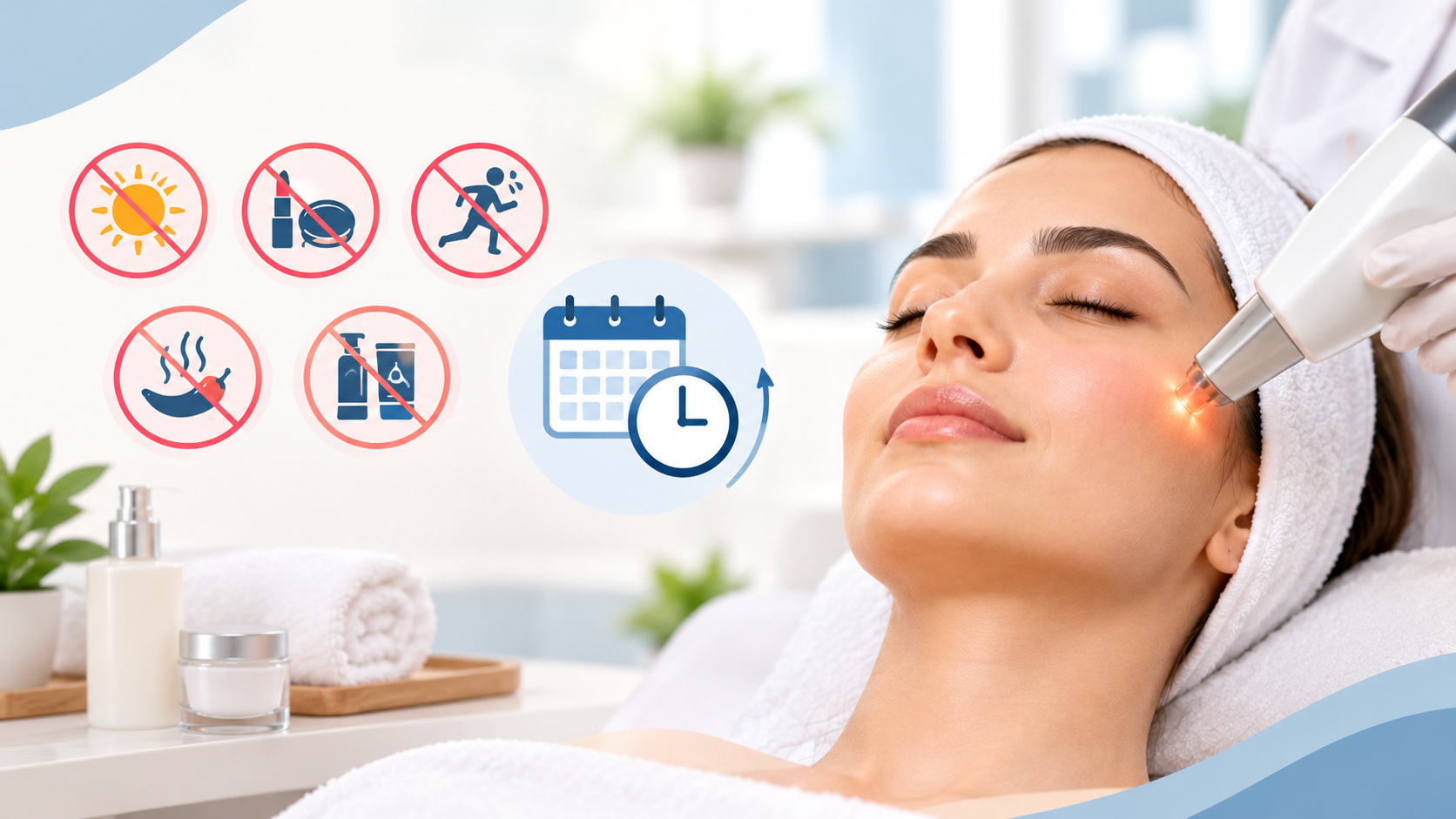
Laser treatment targets the bacteria driving active breakouts while calming inflammation in the surrounding skin, which is why it tends to work faster on stubborn adult acne than topical products alone. Most protocols involve multiple sessions spaced a few weeks apart, with visible calming of active breakouts often noticeable within the first two to three sessions.
A laser skin acne treatment in Palasia or at any properly equipped clinic should always begin with a skin evaluation, not a fixed package applied to every patient regardless of what’s actually causing their breakouts.
What About the Marks Acne Leaves Behind?
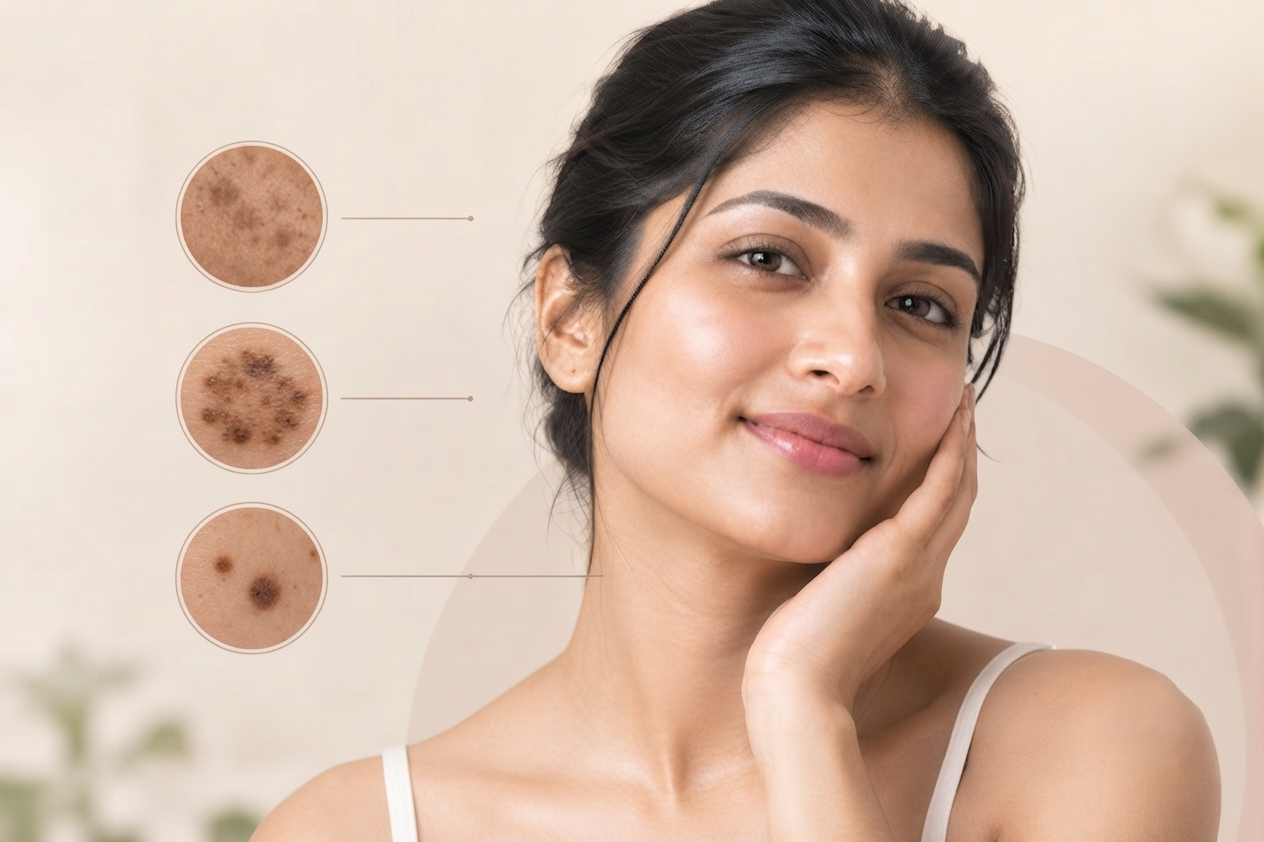
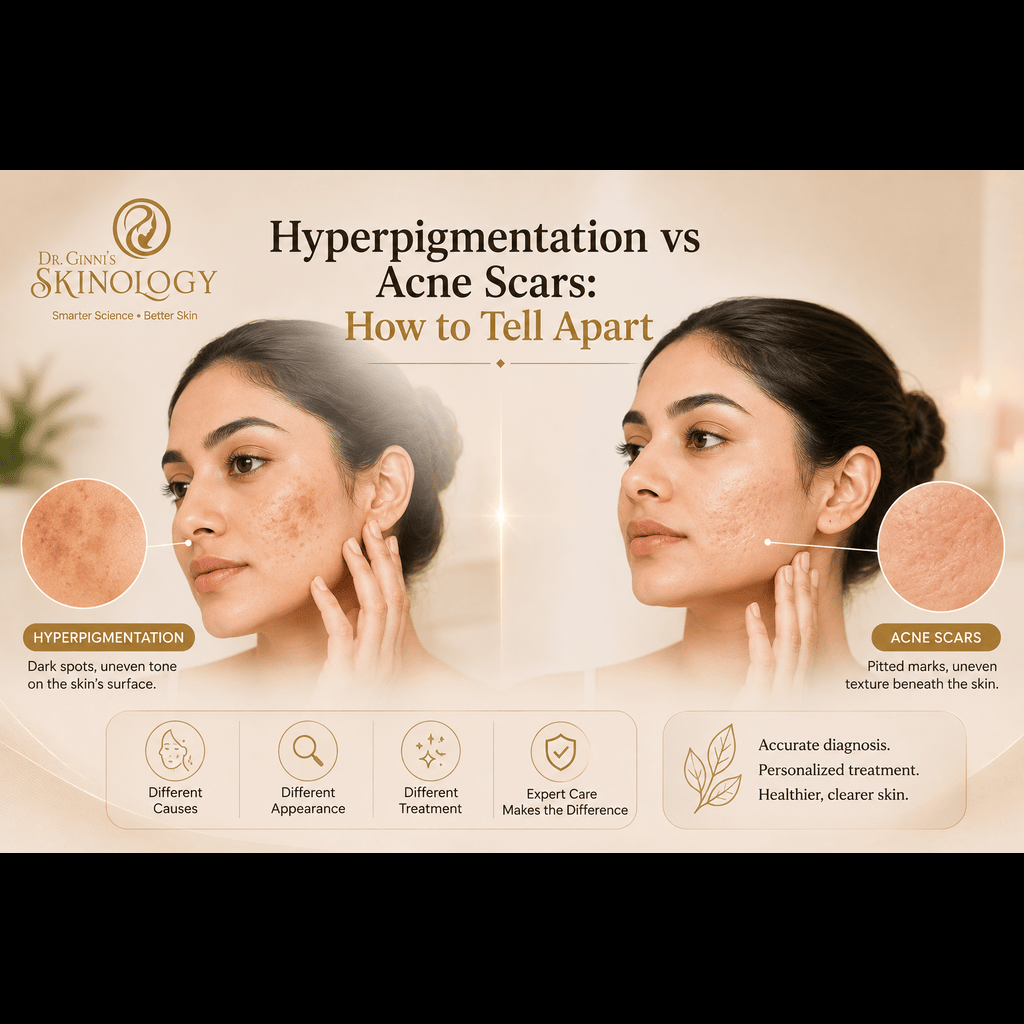
Adult acne rarely travels alone. Post-acne pigmentation tends to build up because adult skin takes longer to shed and repair itself compared to skin in your 20s, which means marks linger far longer than the breakout that caused them.
This is where treating the acne alone isn’t enough. Many patients searching for a dermatologist for pigmentation in Vijay Nagar are actually dealing with active acne and leftover pigmentation at the same time, and both need to be addressed, ideally in the same treatment plan rather than as separate afterthoughts.
Skinology’s approach starts by treating active breakouts first, then layers in pigmentation-focused care once inflammation is under control, whether through Aesthetic Dermatology treatments or targeted laser skin treatment.
Why Does Who You See Matter?
Adult acne, especially when it’s hormonal, benefits from a dermatologist who takes the time to ask about cycles, stress, and history, not just what’s visible on the surface. Many patients specifically look for a lady dermatologist in Indore for this exact reason, since these conversations can feel more comfortable with a female specialist who understands the hormonal side of adult skin concerns firsthand.
Dr. Ginni Chhabria at Skinology brings this evaluation-first approach to every adult acne consultation, looking at hormonal history alongside skin presentation before recommending a protocol.
Frequently Asked Questions
1. Why is my acne worse in my 30s than it was as a teenager?
Adult acne is usually driven by hormonal fluctuations, stress, and slower skin turnover, which produces deeper, more inflamed breakouts than the surface-level acne common in the teenage years.
2. Can laser treatment help with active adult acne?
Yes. Laser treatment targets the bacteria and inflammation behind active breakouts and often works faster than topical products alone for stubborn adult acne.
3. Why do my acne marks take so long to fade now?
Skin cell turnover slows with age, so pigmentation left behind by acne lingers longer in your 30s than it did in your 20s.
4. Should I see a dermatologist for adult acne or keep trying new products?
If breakouts have persisted for several months despite consistent skincare, a dermatologist evaluation identifies the actual trigger rather than continuing to guess with over-the-counter products.
5. Is hormonal acne treated differently from regular acne?
Yes. Hormonal acne often needs a combination of topical treatment, laser therapy, and sometimes a broader hormonal evaluation, rather than surface-level acne washes alone.
Conclusion
Acne in your 30s isn’t a sign that your skin has failed, it’s a sign that the cause has changed, and your treatment needs to change with it. If old products and routines aren’t working anymore, a proper skin consultation in Indore can identify what’s actually driving your breakouts and build a plan around it.
Book your acne consultation with Skinology today and get a plan built for your skin now, not the skin you had at 20.