PRP treatment for acne scars works by injecting concentrated platelets from your own blood into scarred skin, triggering natural collagen repair over several weeks. It is not a standalone fix for deep scars, but as part of a combination protocol, it noticeably improves texture and skin quality. That is the short answer, here is the full picture.
What Is PRP and Why Does It Help Scarring?
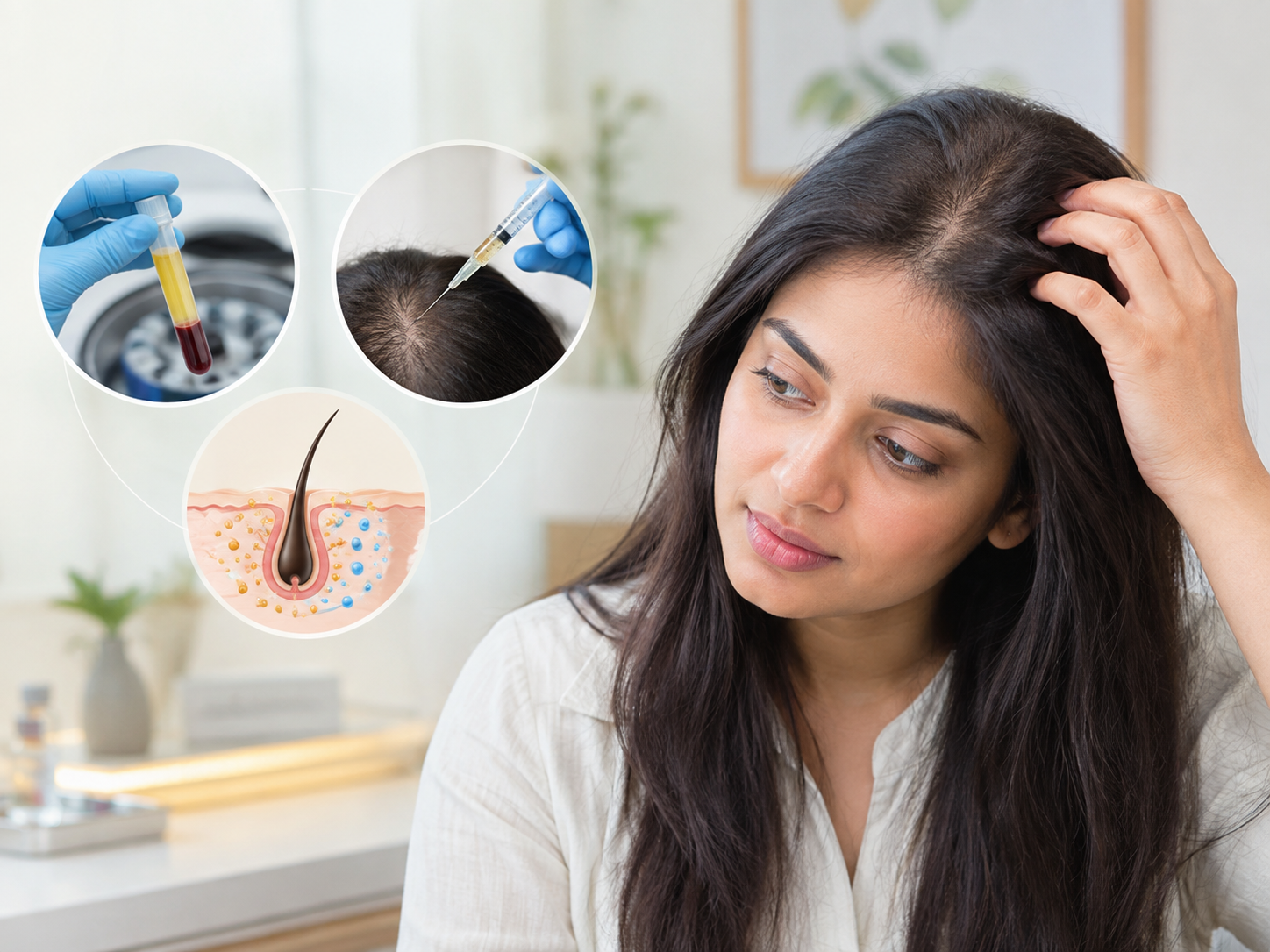
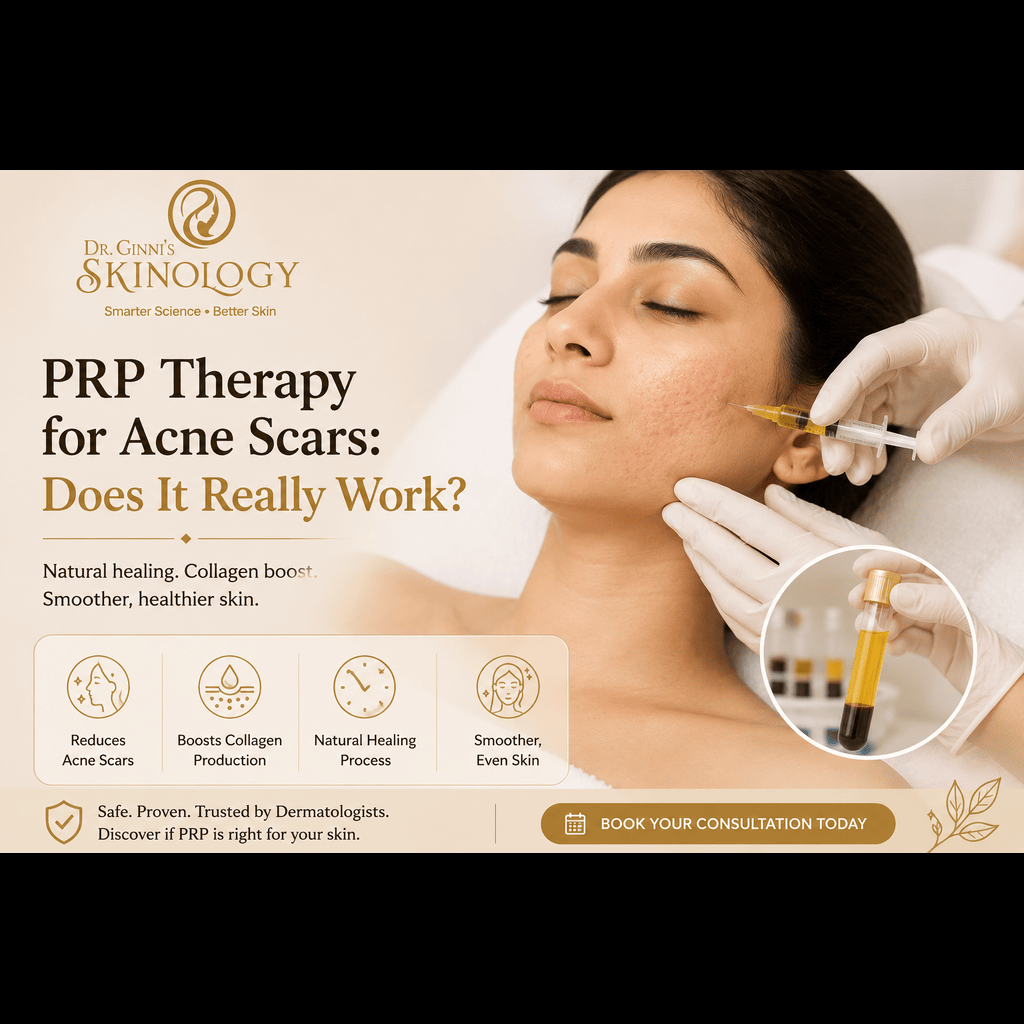
PRP stands for platelet-rich plasma. A small blood sample is drawn, spun in a centrifuge to concentrate the platelets, then reintroduced into the treatment area. Platelets carry growth factors that signal skin cells to repair and regenerate, which is exactly what damaged, scarred tissue needs.
Unlike fillers or peels, PRP does not add anything foreign to the skin. That is part of why it has become popular for people who want scar improvement without synthetic materials involved. Since the plasma comes from your own blood, the risk of allergic reaction or rejection is essentially removed from the equation.
A few things worth knowing before considering PRP:
- It works best on rolling and shallow boxcar scars, not deep icepick scars
- Results build gradually over 4 to 6 weeks per session, not instantly
- It is commonly paired with microneedling, since the micro-injuries help platelets absorb deeper
- Multiple sessions, usually 3 to 4, spaced a month apart, are typical for visible change
- Recovery is generally mild, with slight redness for a day or two
How Is a PRP Session Actually Performed?
The process itself is straightforward, though it understandably makes some people nervous the first time. Blood is drawn much like a routine lab test, then processed in a centrifuge for around 10 minutes to separate the platelet-rich layer from the rest of the sample.
That concentrated plasma is then applied to the skin, either through fine injections directly into scarred areas or spread across the surface after microneedling has created micro-channels for better absorption. Numbing cream is applied beforehand, so most people describe the sensation as mild pressure rather than significant pain.
Is PRP Alone Enough, or Does It Need Pairing?
Used alone, PRP tends to produce gradual, modest improvement. Paired with microneedling or laser, the combination consistently outperforms either treatment used on its own, since the micro-channels created allow platelets to reach deeper into the dermis where collagen repair actually happens.
This is why most dermatologists rarely recommend PRP in isolation for established scarring. It works better as a booster layered into a broader plan, extending and reinforcing the collagen response triggered by the primary treatment rather than replacing it.
For a full breakdown of which combination suits which scar type, our complete guide to acne scar treatment walks through the options in detail.
Who Is a Good Candidate for PRP?
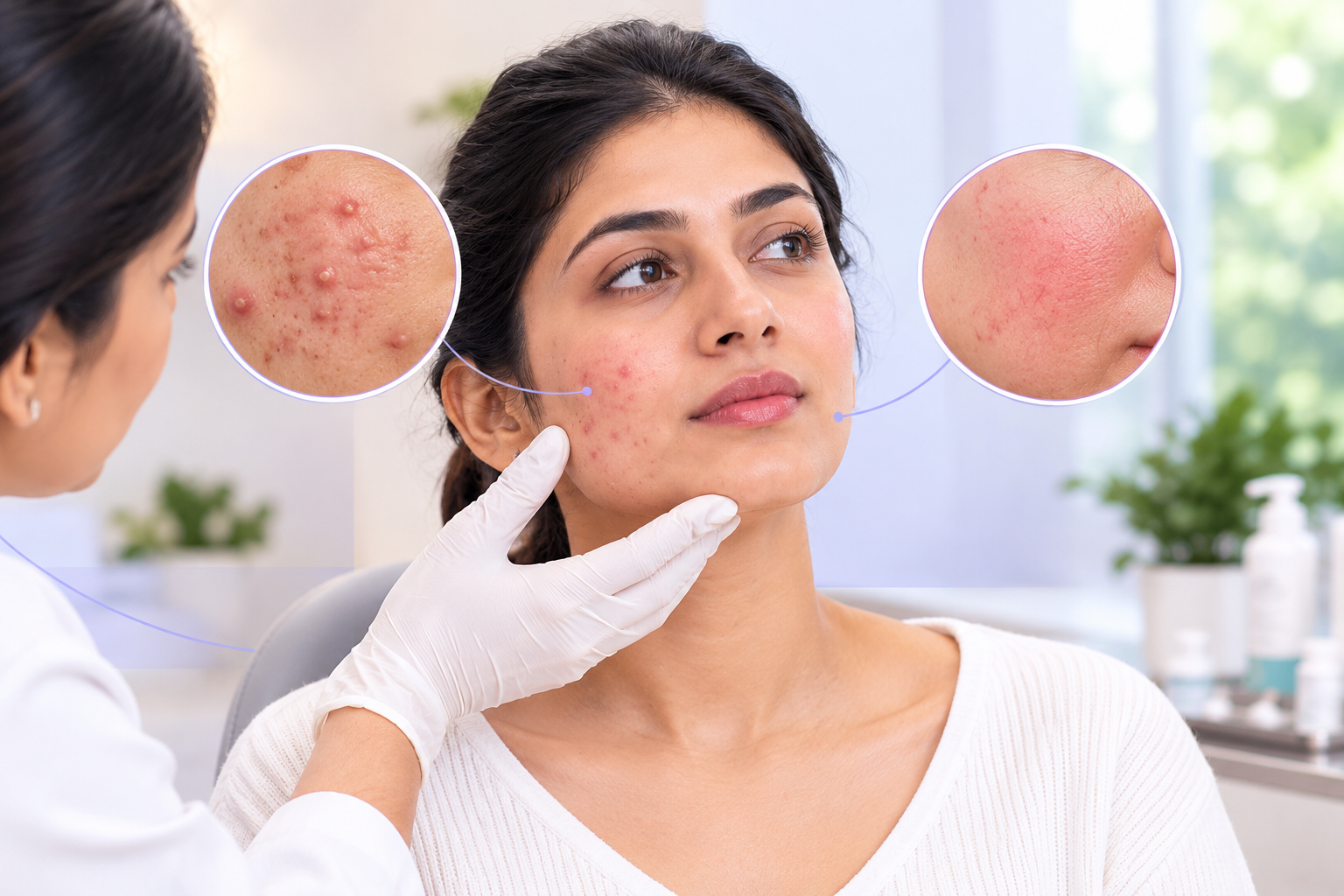
PRP tends to suit people who want a more natural approach and have realistic expectations about gradual results. It is generally not the right first step for deep, tethered scars that need subcision or aggressive laser resurfacing first.
Good candidates typically have:
- Shallow to moderate rolling scars
- Generally healthy skin with no active infection
- Patience for a multi-session protocol rather than a single fix
- No underlying blood disorders that would affect platelet function
People with active acne breakouts are usually advised to bring inflammation under control before starting PRP, since treating scars around ongoing inflammation tends to limit how well the skin responds.
What Results Can You Realistically Expect?
Expectations matter as much as the treatment itself here. PRP is not designed to erase scars completely, and anyone promising that outcome from a handful of sessions is overselling the science. What it reliably does is improve skin texture, tone, and firmness gradually, making existing scars less pronounced rather than invisible.
Most people notice the first signs of change around four to six weeks after a session, as the growth factors continue working beneath the surface well after the appointment itself is over. Full results from a complete protocol are usually assessed only after the final session, since collagen remodeling continues for months.
Common Myths Worth Clearing Up First
A few misunderstandings about PRP tend to shape unrealistic expectations before treatment even begins:
- “PRP alone will remove deep scars.” It genuinely helps, but deep icepick or tethered rolling scars usually need subcision or laser as the primary treatment, with PRP layered in as support.
- “Since it’s your own blood, results happen immediately.” Growth factors take weeks to trigger visible collagen change, so immediate results are not a realistic expectation.
- “PRP and vampire facials are the same thing.” Vampire facials typically use PRP applied topically after microneedling for glow and texture, while PRP for scarring often involves deeper, more targeted application aimed specifically at collagen repair.
- “More sessions always means faster results.” Spacing sessions correctly allows the skin to fully respond before the next round, and rushing the schedule can undercut results rather than speed them up.
What Should You Look for in a Provider?
PRP quality depends heavily on how the blood is processed and injected, so the provider matters as much as the treatment itself. For anyone comparing best skin treatment in Indore options, ask specifically about the centrifuge process and platelet concentration used, since inconsistent preparation is a common reason results vary between clinics.
Skinology’s dermatologists combine PRP with microneedling or laser based on individual scar assessment rather than offering it as a blanket package, an approach worth expecting from any top skin specialist in Indore you consult. A provider who can explain their exact protocol, rather than reciting marketing language, is usually the safer choice.
FAQs
1. How long do PRP results for acne scars last?
Collagen improvements from PRP are generally long-lasting, though skin continues to age naturally afterward. Most people maintain results well beyond a year with basic skincare upkeep.
2. Is PRP painful?
A numbing cream is typically applied beforehand, so discomfort is usually mild and manageable.
3. How soon will I see results from PRP?
Initial changes appear around 4 to 6 weeks after each session, with fuller results visible after the full course is complete.
4. Can PRP be combined with laser treatment?
Yes, and this combination is common, since laser resurfaces the skin while PRP accelerates the collagen rebuilding beneath it.
5. Is PRP safe for all skin types?
Yes, since it uses your own blood rather than synthetic materials, it carries a low risk profile across most skin types and tones.
6. How many PRP sessions will I actually need?
Most protocols involve 3 to 4 sessions spaced roughly a month apart, though this depends on scar severity and whether PRP is combined with another treatment.
Conclusion
PRP is not a magic single-session fix, but as part of a properly sequenced plan, it is one of the more natural, well-supported ways to improve scar texture over time. If you are curious whether PRP fits your specific scarring, a skin consultation in Indore with Skinology is the clearest way to find out.
Book your PRP consultation with Skinology and get an honest read on whether it is right for your skin.