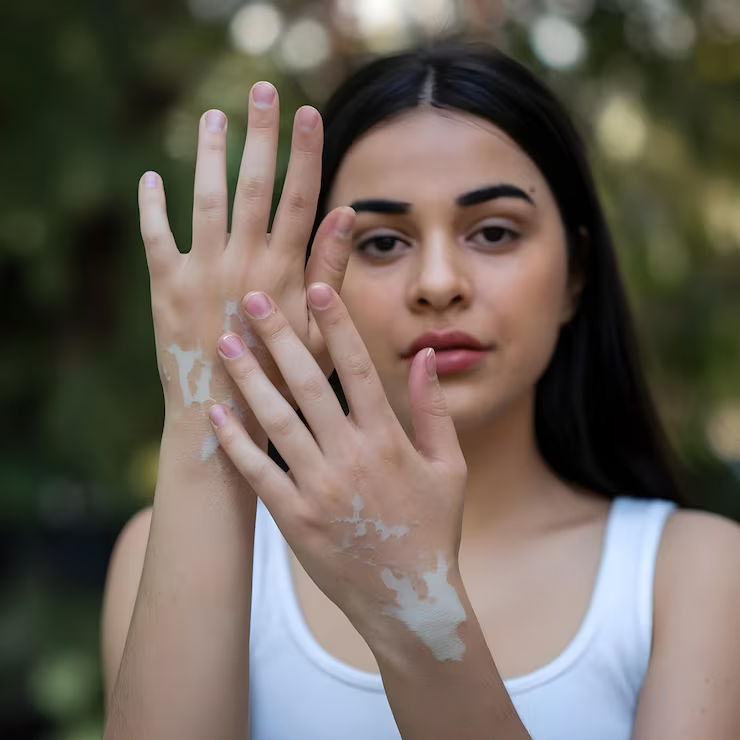
No, there’s currently no permanent cure for vitiligo, but that doesn’t mean the white patches have to stay untreated. With the right vitiligo treatment in Indore, most patients see real improvement, restored pigmentation, and a slower spread of patches over time. What works depends heavily on how long you’ve had it, where the patches sit on your body, and how your skin responds to early intervention.
Vitiligo confuses people because the internet swings between two extremes: some sites promise a miracle fix, others make it sound untreatable. Neither is accurate. What actually helps is understanding your options clearly and starting treatment early, before patches spread further.
What Is Vitiligo, Exactly?
Vitiligo is a chronic condition where the immune system attacks melanocytes, the cells responsible for skin color, leaving behind irregular white or light patches.
Common signs to watch for:
- Irregular white patches, often starting on hands, face, or around body folds
- Premature greying of scalp hair, eyebrows, or eyelashes
- Loss of color inside the mouth or around the lips
It isn’t contagious, and it isn’t caused by anything you did. Genetics and autoimmune activity are the main drivers, which is part of why early treatment matters more than most people realize.
Why Isn’t There a Permanent Cure Yet?
Medical science hasn’t found a way to fully stop the immune system from targeting pigment cells long-term. That said, calling it “untreatable” is misleading. A qualified dermatologist in Indore can slow progression, restore pigment in existing patches, and in many stable cases, achieve results that are cosmetically indistinguishable from natural skin.
Treatment Options That Actually Work
Here’s where the right approach makes all the difference. Treatment isn’t one-size-fits-all; it depends on how widespread and how active your vitiligo currently is.
Medical treatments:
- Topical corticosteroid creams to calm immune activity in smaller patches
- Calcineurin inhibitors for sensitive areas like the face and eyelids
Light-based treatments:
- Narrowband UVB therapy, one of the most reliable options for widespread patches
- Excimer laser, precise and effective for smaller, localized areas
Surgical options (for stable vitiligo):
- Skin grafting, transferring healthy pigmented skin to affected areas
- Blister grafting, using small blister transplants
- Melanocyte transplant, lab-prepared pigment cells placed into white patches
Cosmetic and supportive care:
- Camouflage makeup for temporary blending
- Micropigmentation for small, stable patches, especially on lips
Not sure which route fits your skin? A quick consultation can save months of trial and error.
Finding the Right Vitiligo Treatment Near You in Indore
Location matters more than people expect, mainly because consistency of care (especially for phototherapy) works better when your clinic is easy to reach regularly.
If you’re searching for vitiligo treatment near Palasia, look for a clinic offering in-house phototherapy rather than referring you elsewhere for sessions, since consistency is what actually drives results. Similarly, for treatment for vitiligo near Vijay Nagar, having a dermatologist who can track your progress every few weeks matters more than the specific device used.
If you’re comparing options in a vitiligo skin doctor in Indore near me search, a few things are worth checking before booking:
- Does the clinic offer both phototherapy and topical treatment under one roof
- Is progress tracked with photos over time, not just verbal check-ins
- Does the doctor explain realistic timelines instead of vague promises
Living With Vitiligo: Daily Management Tips
Treatment works better alongside a few consistent habits:
- Protect your skin – Broad-spectrum sunscreen prevents uneven tanning around patches
- Avoid skin trauma – Cuts, burns, and friction can trigger new patches (Koebner phenomenon)
- Eat for your skin – Foods rich in antioxidants, vitamin B12, folic acid, and zinc support pigment health
- Manage stress – Flare-ups are often linked to stress, so yoga or counseling can genuinely help
Managing patches on your own only goes so far. Pair these habits with expert guidance for faster, more consistent results.
Why Consulting a Specialist Makes the Difference
A skin specialist in Indore who regularly treats vitiligo brings something generic skincare can’t: pattern recognition. They’ve seen how different patch locations respond, which treatments plateau, and when to switch approaches.
At Skinology, vitiligo care starts with mapping how active or stable your patches are before recommending a treatment combination. This matters because starting the wrong treatment for active vitiligo can sometimes make patches spread faster rather than slower.
If you’re also noticing early, faint patches and want to understand the different stages before they progress, our detailed guide on vitiligo early signs and available treatments walks through what to watch for.
Frequently Asked Questions
1. Can vitiligo be permanently cured?
No, there’s currently no permanent cure. But phototherapy, topical treatments, and in stable cases, surgical options, can restore significant pigmentation and slow the spread effectively.
2. Which doctor should I see for vitiligo in Indore?
A dermatologist experienced specifically in autoimmune skin conditions, not a general skincare doctor, since vitiligo management requires ongoing monitoring and treatment adjustments.
3. Is vitiligo treatment painful?
No. Phototherapy and topical treatments are painless. Surgical options like grafting involve minor, well-tolerated discomfort managed with local anesthesia.
4. How long does vitiligo treatment take to show results?
Phototherapy typically shows initial repigmentation within 3 to 6 months, though full results can take a year or longer depending on patch size and location.
5. Does vitiligo spread if left untreated?
It can, especially active vitiligo. Early treatment often slows or stabilizes the spread, which is why waiting it out rarely works in your favor.
6. Can diet or home remedies cure vitiligo?
No. Diet and lifestyle changes support skin health and may aid treatment outcomes, but they can’t replace medical or light-based treatment for actual repigmentation.
Take the Next Step Toward Even-Toned Skin
There’s no need to live with uncertainty about your patches or wait for them to “figure themselves out.” The earlier you start the right treatment, the better your chances of restoring color and preventing further spread.
Consult Dr. Ginni Chhabria at Skinology for a personalized vitiligo treatment plan built around your skin’s actual condition. Book your consultation today and take the first real step toward clearer, more confident skin.