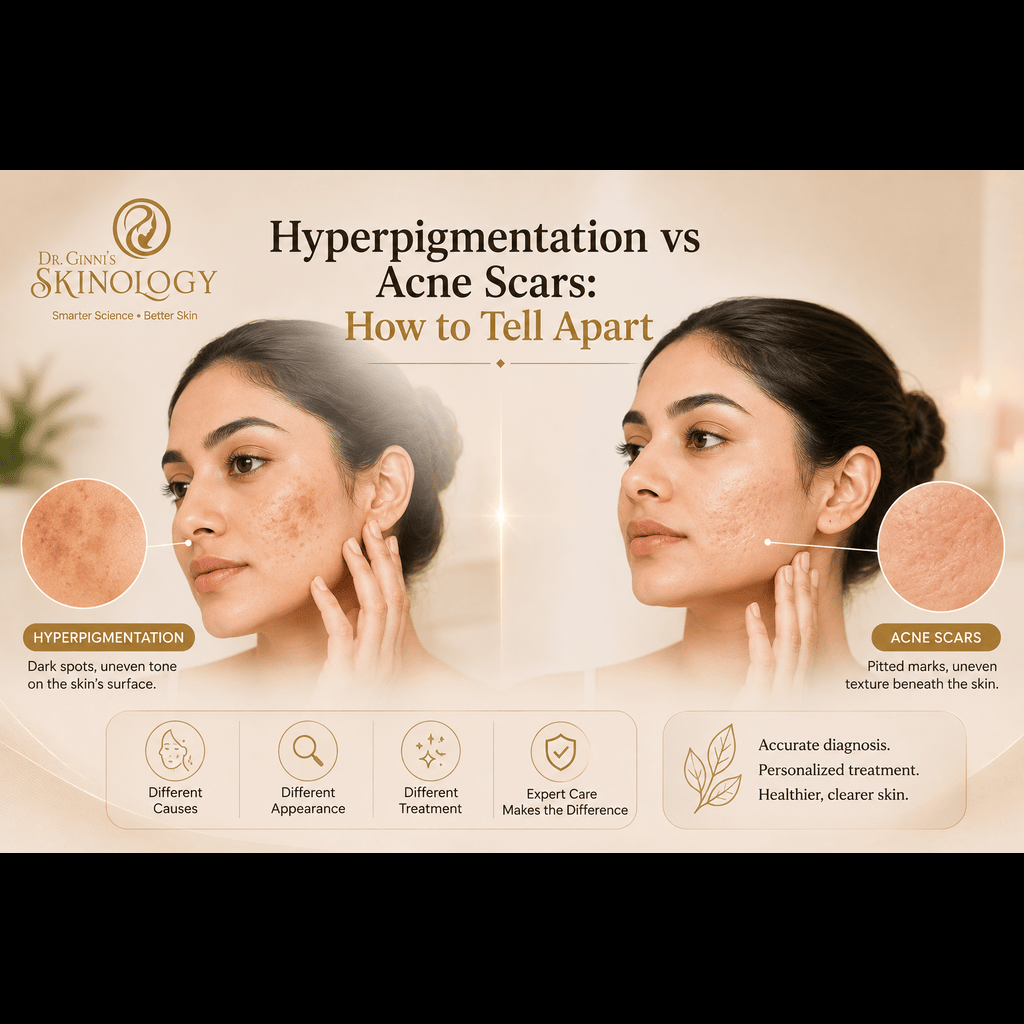

Melasma and regular hyperpigmentation can look almost identical at first glance, but they are not the same condition, and treating one like the other usually makes things worse, not better. Melasma shows up as symmetrical brown patches, typically on the cheeks, forehead, or upper lip, and it’s driven mainly by hormones and sun exposure working together. Ordinary hyperpigmentation, on the other hand, is usually a single dark spot left behind by an old breakout, injury, or isolated sun exposure, and it doesn’t come with the same hormonal trigger or the same tendency to keep coming back.
This distinction is exactly why a proper melasma treatment in Indore looks so different from a standard pigmentation plan, and why getting the diagnosis wrong before starting treatment is one of the most common reasons people spend months on a routine that never quite works.
What Melasma Actually Looks Like
Melasma has a few tell-tale patterns that separate it from other pigmentation issues:
- Symmetrical patches: It almost always appears on both sides of the face at once, cheeks, forehead, upper lip, or chin
- Hormonally triggered: Pregnancy, birth control pills, and thyroid changes are common triggers, which is why it’s sometimes called the “mask of pregnancy”
- Worsens with heat and visible light, not just UV: Regular sunscreen alone often isn’t enough
- Chronic and recurring: It tends to fade and return, especially without consistent sun protection
- More common in darker skin tones: which makes it especially relevant for Indian skin

What Regular Hyperpigmentation Looks Like
Standard pigmentation, sometimes called post-inflammatory hyperpigmentation, behaves very differently:
- Isolated or asymmetrical; It shows up wherever the original trigger happened, not as a mirrored pattern
- Tied to a single cause: An old acne mark, an insect bite, a cut, or a sunburn
- Doesn’t have a hormonal driver: It’s a direct response to skin injury or inflammation
- Fades on its own, eventually: Slower than most people would like, but it doesn’t typically keep returning the way melasma does
Why the Treatment Approach Actually Changes
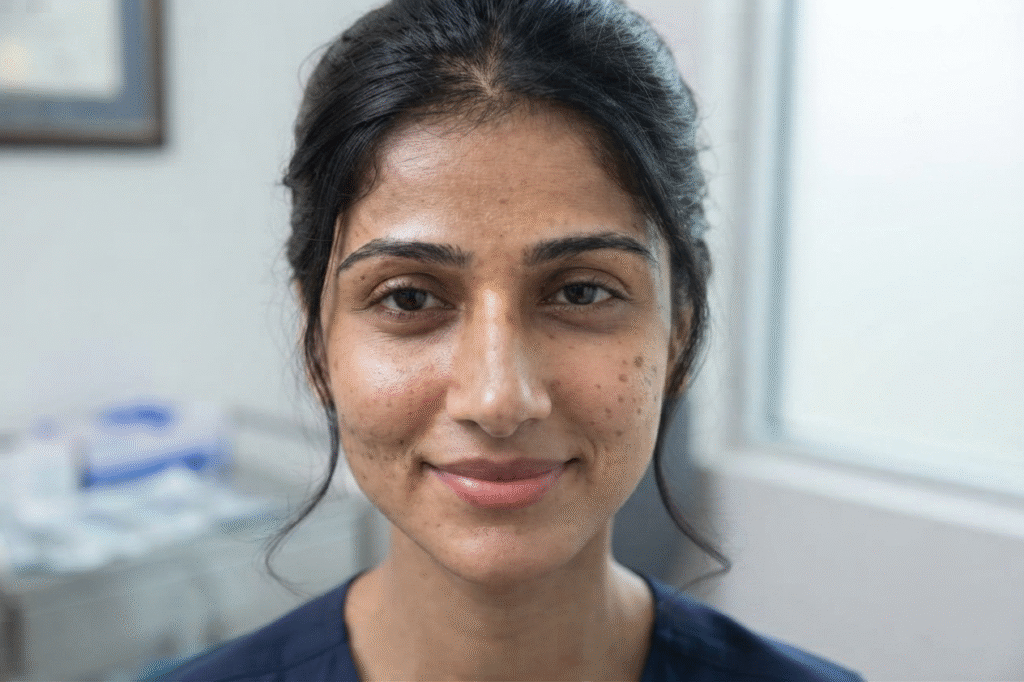
This is the part most people never get told plainly, and it’s the whole reason this comparison matters. Aggressive laser treatments that work beautifully on regular pigmentation can actually worsen melasma. The heat and inflammation from certain lasers can trigger melasma to darken further or spread, which is the opposite of what anyone wants. A pigmentation dermatologist in Indore who treats both conditions with the same laser protocol, without confirming which one you actually have, is setting you up for a frustrating outcome.
Melasma generally needs a gentler, more layered approach: topical treatments to interrupt melanin production, strict daily sun protection with a tinted sunscreen (regular sunscreen doesn’t block visible light, which also triggers melasma), and in-clinic treatments chosen specifically because they’re melasma-safe. Regular hyperpigmentation has more room for a direct approach, since it responds well to laser and peels without that same rebound risk.
A Quick Way to Check Which One You Might Have
- Does the discoloration show up in a mirrored pattern on both sides of your face? That leans toward melasma.
- Can you trace it back to one specific event, a breakout, a cut, a bad sunburn on one area? That leans toward regular pigmentation.
- Does it fade and then come back, especially after sun exposure or hormonal changes? That’s a strong melasma signal.
- Has it stayed roughly the same size and shape since it appeared, slowly fading? More likely standard hyperpigmentation.
None of this replaces an actual diagnosis. It just helps you walk into a consultation with the right questions instead of guessing at home in front of a mirror.
Not sure which one is on your skin?
A five-minute look under the right lighting settles it, before you spend months on a routine built for the wrong condition.
How Treatment Plans Actually Differ
For melasma, a typical plan includes:
- Daily broad-spectrum, tinted sunscreen, non-negotiable, even indoors
- Topical treatments like tranexamic acid, azelaic acid, or prescribed brightening agents
- Gentle chemical peels rather than aggressive resurfacing
- Ongoing maintenance, since melasma is managed, not cured in one round
For regular hyperpigmentation, a typical plan includes:
- Standard sunscreen, still important, but less restrictive
- Laser or IPL treatment, which melasma patients often need to avoid
- Chemical peels at a higher strength, since there’s less rebound risk
- A more defined treatment timeline, since it isn’t a chronic, recurring condition the way melasma is
If your pigmentation has been resistant to treatment or keeps returning despite consistent skincare, it’s worth reading our guide on why your face keeps getting dark day by day, since several of the causes covered there overlap directly with what triggers and worsens melasma specifically.
Why This Should Come From an Actual Exam, Not a Mirror
Self-diagnosing pigmentation from a mirror or a few photos online is where most treatment mistakes start. A Dermatologist in Indore should examine your skin under proper lighting, sometimes with a Wood’s lamp, to actually confirm which condition you’re dealing with before recommending anything.

At Skinology, this evaluation comes before any treatment plan, not after. Whether you’re dealing with symmetrical patches that keep returning or a single stubborn mark that’s been there for months, the starting point is the same: a proper diagnosis, not a guess based on what worked for someone else’s skin.
Frequently Asked Questions
1. Can melasma be permanently cured?
Not in the way a single spot of pigmentation can fade and stay gone. Melasma is managed long-term rather than cured, since hormonal and sun triggers can bring it back even after successful treatment.
2. Is laser treatment safe for melasma?
Not always, and this is the most important thing to confirm before booking any laser session. Certain aggressive lasers can worsen melasma. A dermatologist experienced with melasma specifically will choose treatments that avoid this risk.
3. How do I know if my dark patches are melasma or just sun damage?
Melasma usually appears symmetrically on both sides of the face and tends to recur. Sun damage or isolated pigmentation is more random in placement and doesn’t follow the same hormonal pattern.
4. Does melasma get worse during pregnancy?
Yes, this is extremely common, which is why it’s often called the mask of pregnancy. Hormonal fluctuations during pregnancy are one of the most frequent melasma triggers.
5. What ingredients actually help with melasma?
Tranexamic acid, azelaic acid, and certain prescription brightening agents are commonly used. Consistency matters more than intensity here, since aggressive treatment can backfire.
6. Is there a dermatologist in Indore Palasia for melasma and pigmentation?
Yes. Skinology’s Old Palasia clinic offers in-person skin evaluation for both melasma and general pigmentation, which matters here since an accurate diagnosis genuinely can’t be done reliably over a phone call.
The Bottom Line
Melasma and regular hyperpigmentation might look similar in the mirror, but they don’t respond to the same treatment, and treating one like the other can genuinely make things worse. If you’ve been stuck with pigmentation that won’t budge or keeps coming back, the smartest next step isn’t a stronger cream; it’s an actual diagnosis from a pigmentation specialist in Indore who can tell you exactly what you’re dealing with.
Book a consultation and find out what’s actually on your skin before you spend another few months guessing.