Monsoon brings welcome relief from the heat, but it also brings a sharp rise in skin complaints across the city. Skin allergies increase during the rainy season in Indore because high humidity, fungal growth, dust mites, and trapped moisture create the perfect environment for irritation and infection. Every year, clinics see a clear spike in patients with itching, rashes, redness, and allergic reactions as soon as the rains set in.
If you have noticed unusual changes in your skin this season, you are far from alone. Understanding why skin allergies during the rainy season in Indore happen, and what you can do about them, can help you protect yourself and your family through the months ahead.
Why Do Skin Allergies Increase During the Rainy Season in Indore
Skin allergies increase during the rainy season in Indore mainly because moisture sits on the skin for long periods without drying out. When skin stays damp inside shoes, clothing, or body folds, it weakens the skin’s natural protective barrier. A weakened barrier makes it far easier for fungi, bacteria, and allergens to get in and trigger a reaction.
Indore’s monsoon humidity also speeds up mold and fungal spore growth indoors and outdoors. According to the American Academy of Dermatology, warm and damp conditions are among the most common triggers for fungal skin infections, which frequently appear alongside allergic symptoms such as itching and redness.
Dust mites multiply faster in humid indoor air as well, and they are a well documented contributor to skin and respiratory allergies, as explained by the Centers for Disease Control and Prevention. Together, these factors explain why so many residents start searching for a dermatologist in Indore every July, August, and September.
Common Skin Allergies During Monsoon in Indore
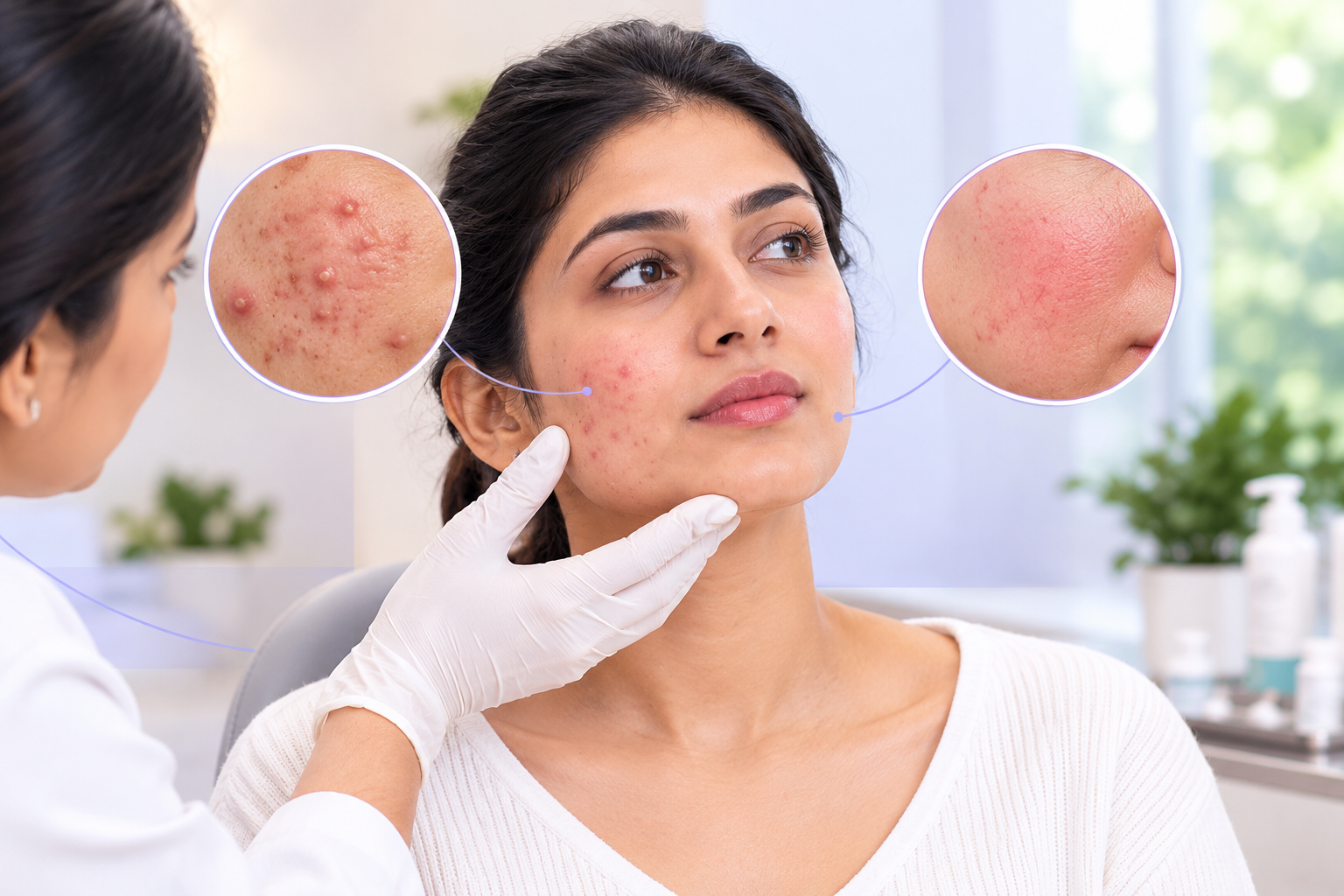
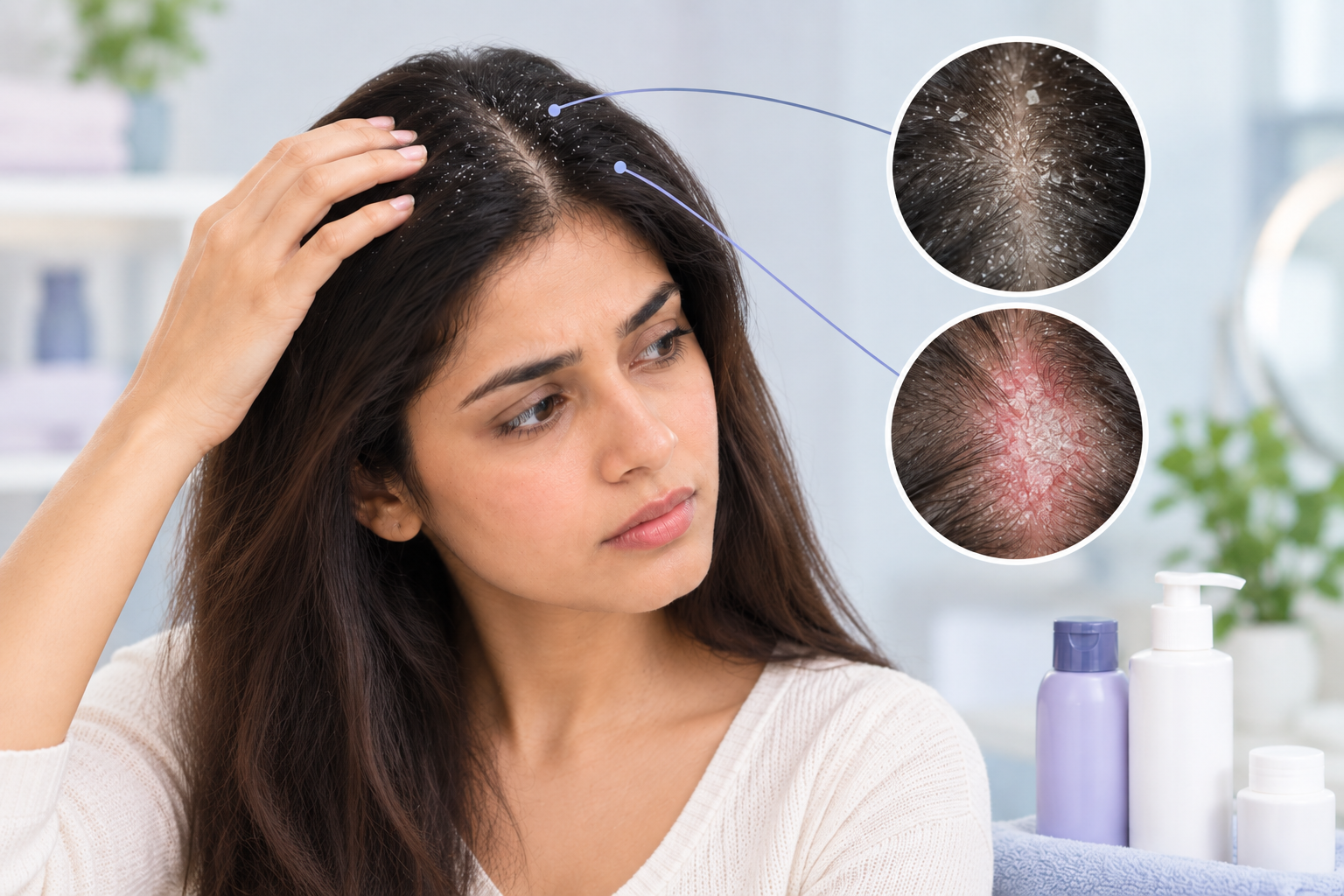
The most common skin allergies during monsoon in Indore include fungal infections, contact dermatitis, eczema flare ups, and heat rashes. An experienced skin specialist in Indore can usually identify the underlying cause within a single consultation by checking the pattern, location, and texture of the affected skin.
Patients commonly report the following symptoms at this time of year:
- Persistent itching
- Redness or visibly inflamed patches
- Swelling around the affected area
- Skin peeling or flaking
- A burning or stinging sensation
Spotting these common skin allergies during monsoon early usually means faster, simpler treatment. Letting a minor irritation sit untreated can allow it to turn into a more serious infection that takes longer to heal.
Skin Problems During Rainy Season in Indore: Who Is Most at Risk
Not everyone reacts to monsoon weather the same way. Some groups are clearly more prone to skin problems during the rainy season in Indore than the general population.
Children are more susceptible to skin allergies during monsoon because of their naturally sensitive skin and frequent outdoor play in wet conditions. Eczema flare ups, fungal patches, and allergic rashes show up often in younger patients. A skin doctor in Indore with pediatric experience can recommend gentle, age-appropriate care for these cases.
People with pre-existing skin conditions also face a higher risk during monsoon. Conditions such as eczema, psoriasis, and generally sensitive skin tend to worsen in humid weather. Increased sweating combined with high air moisture can trigger inflammation that was previously well controlled. Anyone managing a chronic skin condition should consider a check-up with the best skin specialist in Indore before the rains peak in the city.
Can Rainwater Cause Skin Allergies in Indore
Yes, rainwater can trigger skin allergies because it often carries pollutants, bacteria, and other contaminants picked up from the air and ground on its way down. Direct or prolonged contact with dirty rainwater during a typical monsoon commute is a frequent cause of sudden itching and rashes across Indore.
If a reaction appears shortly after getting wet in the rain, it is worth getting checked rather than waiting for it to pass on its own. A skin dr in Indore can confirm whether the issue is purely allergic, related to infection, or a mix of both, since the right treatment depends on that distinction.
When Should You Visit a Dermatologist in Indore for a Skin Allergy
You should visit a dermatologist if a skin allergy lasts more than a few days or causes significant discomfort. Mild, short-lived irritation often settles on its own with basic home care. However, a few warning signs mean it is time to book with a dermatologist in Indore near me rather than waiting it out.
Watch for these signs in particular:
- A rash that keeps spreading rather than shrinking
- Severe or steadily worsening itching
- Signs of infection such as pus, warmth, or fever
- Allergies that return in the same pattern every season
- No improvement after a few days of basic home care
Skinology offers focused skin allergy treatment in Indore for exactly these situations, helping patients get relief faster and avoid unnecessary complications.
How to Prevent Monsoon Skin Allergies in Indore
Prevention is simpler than most people expect, and a few daily habits make a real difference. Preventing monsoon skin allergies in Indore mainly comes down to keeping the skin clean, dry, and protected from prolonged dampness.
A few practical steps dermatologists commonly recommend:
- Wear breathable, quick-drying fabrics instead of tight synthetic clothing
- Dry the skin thoroughly after getting wet, especially between toes and skin folds
- Use a gentle, soap-free cleanser instead of harsh products
- Moisturize regularly to keep the skin barrier strong
- Avoid walking through visibly dirty puddles or standing water where possible
The Mayo Clinic notes that consistent skin hygiene and moisture control are among the simplest and most effective ways to reduce flare ups linked to humid weather. Following these basics, along with timely advice from a top dermatologist in Indore, can meaningfully lower your risk for the rest of the season.
Skin Allergy Treatment in Indore at Skinology
Skinology provides comprehensive skin allergy treatment in Indore tailored to each patient’s skin type and condition. Every case looks a little different, so treatment plans are built around an individual assessment rather than a generic, one-size-fits-all routine.
Depending on the diagnosis, a treatment plan may include:
- Prescription medication to control itching and inflammation
- Targeted anti-allergy therapy
- Infection management for fungal or bacterial complications
- Practical skincare guidance suited to monsoon conditions
- Scheduled follow-up consultations to track progress
This structured, individualized approach is one reason many patients consider Skinology among the top ten skin specialists in Indore for monsoon-related skin concerns.
Choosing the Best Skin Specialist in Indore This Monsoon
With so many clinics to choose from, picking the right care matters just as much as seeking care at all. Look for a clinic with real clinical experience treating rainy season skin allergies in Indore, not just general cosmetic skincare.
A genuinely good top skin doctor in Indore takes time to understand your history, examines the affected area properly, and explains the reasoning behind the recommended treatment. This level of attention is what separates the best skin dr in Indore from a quick, generic prescription handed out without a proper look.
FAQs About Skin Allergies Increase During the Rainy Season
1. Why do skin allergies increase during the rainy season in Indore?
Skin allergies increase during the rainy season because humidity, fungal growth, dust mites, and moisture create ideal conditions for irritation and infection. Many patients visiting Skinology experience itching, rashes, and redness as soon as monsoon begins. Consulting a dermatologist in Indore early helps prevent complications and supports faster recovery.
2. What are the most common skin allergies seen during monsoon in Indore?
The most common rainy season skin allergies include fungal infections, contact dermatitis, eczema flare ups, and heat rashes. A skin specialist in Indore can identify the exact cause and recommend personalized treatment. Early diagnosis generally prevents the condition from getting worse.
3. When should I visit a dermatologist for a skin allergy?
You should visit a dermatologist if a skin allergy persists for more than a few days or causes significant discomfort. Symptoms such as severe itching, spreading rashes, or recurring allergies call for professional evaluation. Skinology offers expert consultation and skin allergy treatment in Indore to help patients recover faster.
4. Can rainwater cause skin allergies?
Yes, rainwater can trigger skin allergies in some people due to pollutants, bacteria, and other environmental contaminants. Exposure to dirty water during monsoon can lead to itching, rashes, and infections. A skin doctor in Indore can determine whether your symptoms are allergy related and recommend the right treatment.
5. How can I prevent skin allergies during the rainy season?
Preventing skin allergies during monsoon mainly involves maintaining good hygiene and keeping the skin dry. Dermatologists recommend breathable clothing, gentle cleansers, regular moisturizing, and timely medical advice. These simple habits can significantly reduce allergy risk through Indore’s rainy season.
Book Your Consultation at Skinology Today
Monsoon skin allergies rarely improve completely on their own, and waiting often makes treatment longer and harder than it needs to be. If you or your family are dealing with itching, rashes, or recurring irritation this rainy season, the team at Skinology is ready to help.
Book your appointment with a trusted dermatologist in Indore today and get personalized skin allergy treatment in Indore before the condition has a chance to worsen. Your skin deserves expert care, not guesswork.