
If your face is getting darker day by day, the most common reasons are sun exposure, hormonal changes, post-acne marks, certain medications, or an underlying skin condition like melasma. In rare cases, it can signal a medical issue such as thyroid disease, diabetes, or Addison’s disease. Most causes are treatable once a dermatologist identifies the exact trigger.
This is one of the most common concerns dermatologists hear: “my face is getting darker day by day” or “my skin is getting darker day by day, what’s wrong with me?” The good news facial darkening is rarely dangerous, and in most cases it can be traced back to a specific, fixable cause.
Why Is My Face Getting Darker Day by Day?
Skin darkening happens when your skin cells (melanocytes) produce excess melanin the pigment that gives skin its color. Doctors call this hyperpigmentation, and it’s one of the most common complaints in dermatology offices, though it isn’t harmful to your health.
| Cause Category | Common Trigger | How It Looks |
| Environmental | Sun exposure, pollution | Even tanning or patchy dark spots on cheeks, forehead, nose |
| Hormonal | Pregnancy, PCOS, birth control pills | Symmetrical brown-grey patches (melasma) on cheeks/upper lip |
| Skin injury | Acne, waxing, threading, burns | Dark spots exactly where the injury/pimple was |
| Medical conditions | Thyroid, diabetes, Addison’s disease | Dull, uneven, spreading darkness, sometimes with fatigue |
| Lifestyle | Poor sleep, stress, dehydration, smoking | Dull, tired-looking, greyish complexion |
| Medications | Certain antibiotics, hormonal pills | Grey-brown patches, sometimes sun-triggered |
Common Causes of Facial Skin Darkening
1. Sun Exposure (UV Damage)
Sun exposure is one of the most common causes of hyperpigmentation, and darkened patches often appear on frequently exposed areas like the face, neck, and hands. If you’re outdoors daily without sunscreen, this is very likely why you’re “getting darker day by day.”
2. Hormonal Changes (Melasma)
Hormone changes, such as during puberty or pregnancy, are a known trigger for hyperpigmentation. Melasma typically shows up as symmetrical brown or grey-brown patches on both cheeks, the forehead, and above the lip and it can get worse with sun exposure and birth control pills.
3. Post-Inflammatory Hyperpigmentation (After Acne, Waxing, or Injury)
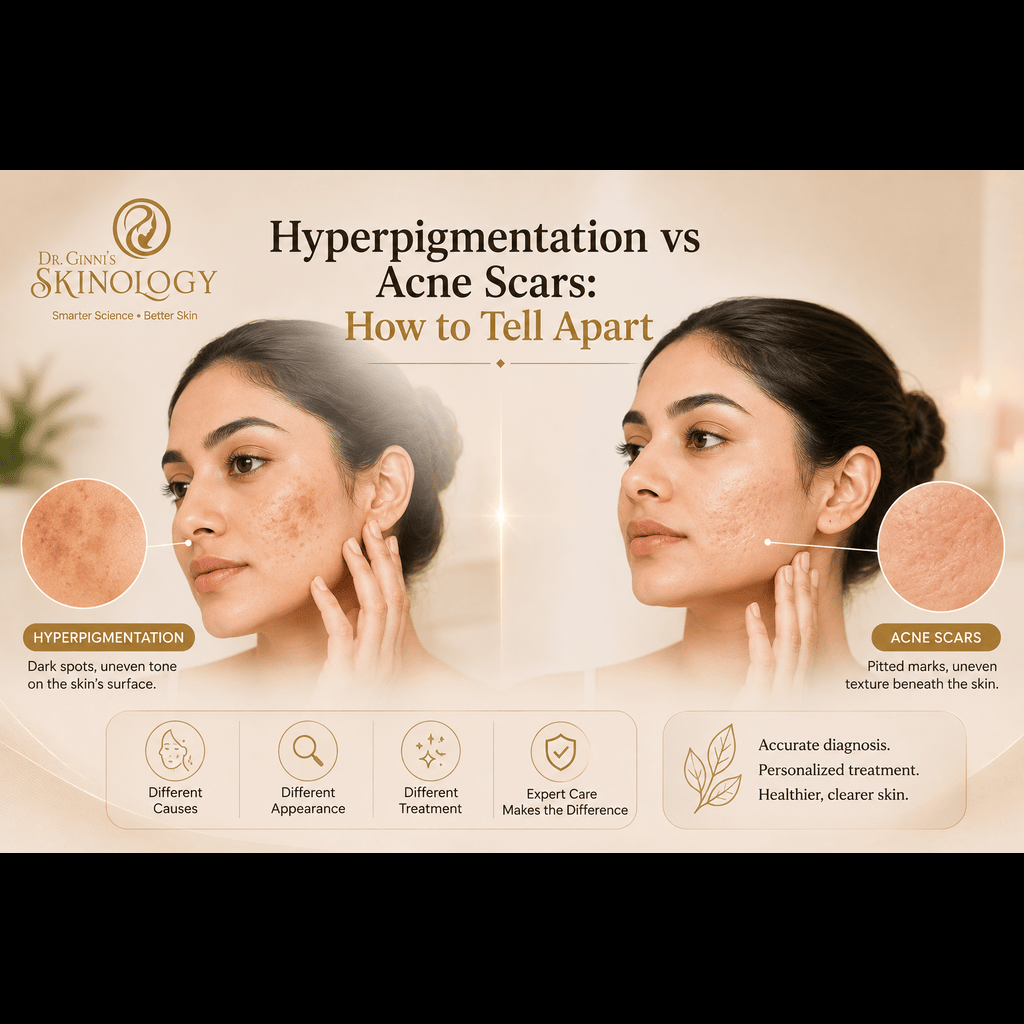
Burns, bruises, acne, rashes, or other trauma to the skin can cause it to produce more melanin, leading to dark spots a pattern especially common on skin of color, since darker skin tones already carry higher melanin content. This is why pimple marks or a bad wax/threading session can leave a dark patch behind long after the original injury has healed.
4. Medications and Chemical Reactions
Certain medications, including antimalarial drugs and tricyclic antidepressants, can cause hyperpigmentation, and in some cases patches of skin may even turn grey. Some antibiotics and hormonal pills also increase sun sensitivity, which speeds up darkening.
5. Underlying Medical Conditions
This is the category most people overlook. Common medical causes include diabetes and thyroid disease, adrenal insufficiency such as Addison’s disease (where the body doesn’t produce enough cortisol), and exposure to heavy metals. If your face is darkening rapidly, spreading to unusual areas (gums, knuckles, elbows), or accompanied by fatigue or weight changes, this warrants a proper checkup rather than home remedies.
6. Lifestyle Factors
Poor sleep, chronic stress, dehydration, smoking, and pollution don’t directly cause hyperpigmentation, but they make skin look duller, more tired, and more uneven which people often describe as “my face is getting darker day by day” even without a true pigmentation disorder.
Chehra Kala Padne Ka Karan (Why Does the Face Turn Dark?)
For readers searching in Hindi chehra kala padne ka karan or achanak chehra kala kyu padta hai the answer lines up with the causes above: dhoop (sun exposure), hormonal badlav (hormonal shifts), pimple ya daag ke nishaan (acne marks), kuch dawaiyan (certain medications), aur kabhi-kabhi thyroid ya diabetes jaisi medical wajah. If the darkening happened suddenly (achanak), it’s worth getting it checked rather than waiting, since sudden pigmentation changes are more likely to have an underlying medical trigger.
Is It Melasma, Tanning, or Something Else? Quick Self-Check
- Even, all-over darkening → usually sun exposure or a lifestyle factor
- Symmetrical brown patches on cheeks/upper lip → likely melasma (hormonal)
- Dark spots exactly where you had a pimple, cut, or wax → post-inflammatory hyperpigmentation
- Sudden, spreading darkness with fatigue, weight change, or darkening of gums/knuckles → get a medical evaluation, don’t self-treat
Simple Steps to Stop Your Face from Getting Darker
- Apply a broad-spectrum SPF 30+ sunscreen every single day, even indoors near windows
- Avoid picking or popping pimples this is the #1 preventable cause of dark spots
- Stay hydrated and prioritize 7–8 hours of sleep
- Avoid harsh scrubbing, bleaching creams, or unregulated “fairness” products bought without a prescription
- Get a basic blood check (thyroid, HbA1c, vitamin levels) if the darkening is sudden or unexplained
- See a dermatologist before starting any pigmentation treatment self-treating the wrong cause can make it worse
When Should You See a Dermatologist?
Most tanning and mild pigmentation fade with sun protection and time. See a dermatologist if:
- The darkening is sudden, spreading, or doesn’t fade in a few weeks
- It’s accompanied by fatigue, weight changes, or darkening in the mouth/gums/knuckles
- Home care and sunscreen aren’t improving it after 4–6 weeks
- You want a professional, non-hydroquinone-dependent treatment plan
A dermatologist can run the right tests, confirm whether it’s melasma, PIH, or a medical condition, and build a treatment plan instead of you guessing with over-the-counter creams.
Best Dermatologist in Indore for Facial Pigmentation: Skinology by Dr. Ginni Chhabria
If you’re in Indore and searching for a skin specialist who can actually diagnose why your face is getting darker (rather than just selling you a cream), Skinology, led by Dr. Ginni Chhabria, is one of the city’s established dermatology and cosmetic skin clinics. Dr. Ginni Chhabria holds an MBBS degree and a postgraduate diploma in Dermatology (DDV) from Mumbai, and completed a Fellowship in Lasers and Skin Surgery from Singapore, with senior consulting experience at clinics like Kaya Skin Clinic and Yuva Cosmoderm.
At Skinology, pigmentation and facial-darkening cases are handled with a proper diagnostic approach checking for melasma, PIH, hormonal causes, or referring for blood work when a medical cause is suspected followed by clinic-based treatments where appropriate, including:
- GFC (Growth Factor Concentrate) treatment for pigmentation and overall skin rejuvenation
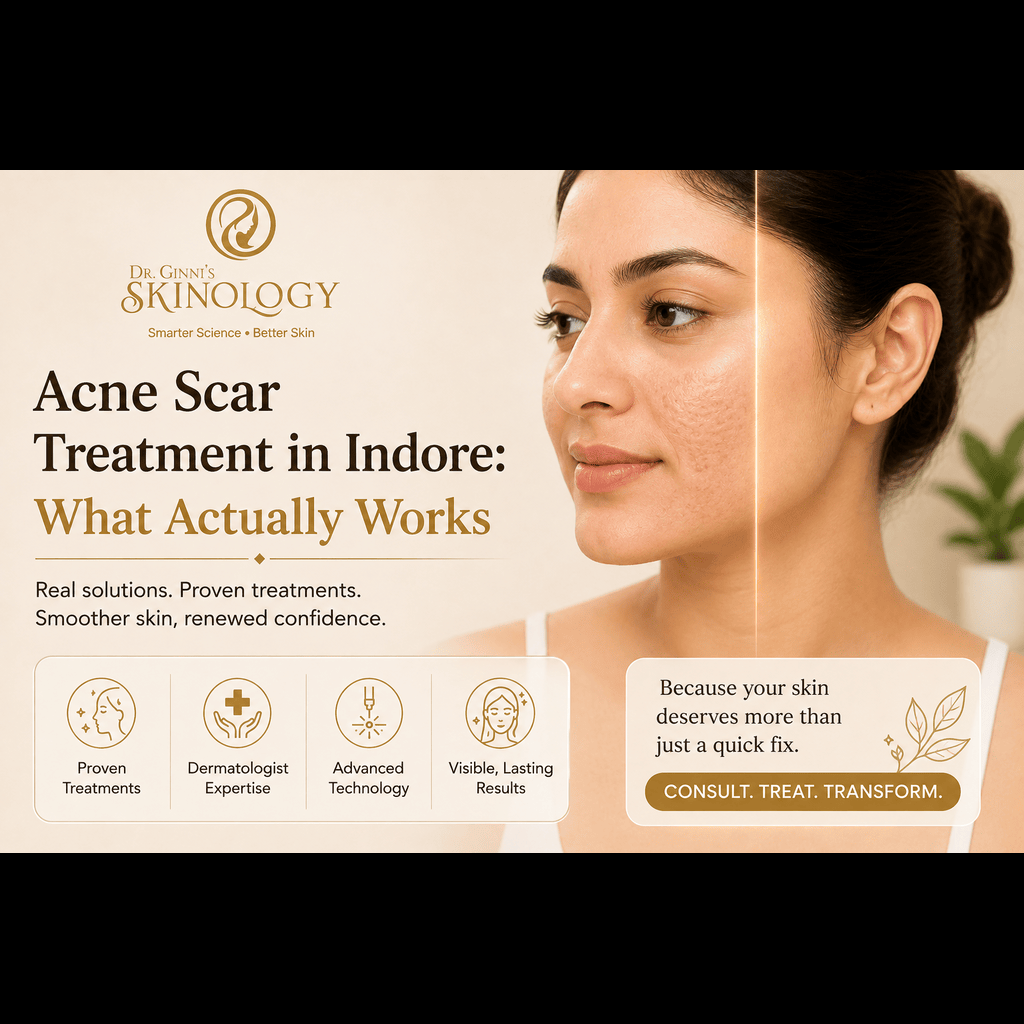
- Acne scar and acne mark treatment for post-inflammatory dark spots
- HydraFacial for dullness, congestion, and even skin tone
- Customized peels and topical regimens based on your skin type
Skinology has two locations in Indore Vijay Nagar and Old Palasia making it accessible if you’re searching for a “dermatologist in Indore” or “skin specialist in Indore” near either area.
📍 Skinology Clinic Locations:
- Vijay Nagar: near Shanti Niketan Gate, behind Bombay Hospital Service Road, Vasant Vihar Colony, Indore
- Old Palasia: G-1, Surya Apartment, 30, Joy Builders Colony, behind Rafael Tower, Indore
Ready to find out why your face is getting darker? Book a consultation with Dr. Ginni Chhabria at Skinology for an accurate diagnosis and a treatment plan built around your actual cause not guesswork.
FAQs about Face Getting Dark Day by Day
Q1: Why is my face getting darker day by day?
The most common reasons are sun exposure, hormonal shifts (melasma), post-acne marks, certain medications, and lifestyle factors like poor sleep and dehydration. Less commonly, it can point to thyroid disease, diabetes, or an adrenal condition.
Q2: I am getting darker day by day even though I don’t go out much why?
Indoor UV from windows, blue light, hormonal changes, certain medications, or an unaddressed medical condition can all cause darkening without direct sun exposure. A dermatologist can narrow down the actual cause with a quick exam and, if needed, blood tests.
Q3: Can vitamin deficiency cause dark circles under the eyes?
Yes. Dark circles aren’t always about sleep a deficiency in vitamin C can weaken the blood vessels under the eyes and make them more visible, while low vitamin B12 can affect skin health and make veins under the thin under-eye skin more prominent, both contributing to dark circles. Vitamin K and iron deficiency are also linked to persistent dark circles. If circles don’t improve with better sleep, a basic blood panel can check for these deficiencies.
Q4: Is facial darkening always due to a skin condition?
No. It’s often environmental (sun) or lifestyle-related (sleep, hydration, stress). But sudden or spreading darkening should be evaluated by a dermatologist to rule out melasma, medication side effects, or an underlying medical cause.
Q5: Can I treat facial pigmentation at home?
Sunscreen, hydration, and not picking at acne help prevent further darkening, but active pigmentation (melasma, PIH) usually needs a dermatologist-guided plan the wrong over-the-counter product can worsen it.
A face that’s “getting darker day by day” almost always has an identifiable cause sun, hormones, acne marks, medication, or an underlying condition and once that cause is identified, it’s treatable. If sunscreen and basic care aren’t fixing it within a few weeks, don’t wait it out. Get it checked by a dermatologist.
Book a consultation with Dr. Ginni Chhabria at Skinology, Indore (Vijay Nagar & Old Palasia) for an accurate diagnosis and a personalized treatment plan for facial pigmentation, acne marks, and dull skin.