
Loose skin after weight loss or pregnancy can be tightened without surgery through treatments like radiofrequency, ultrasound therapy, and collagen-stimulating procedures, most of which show visible improvement within 8 to 12 weeks. These options work by rebuilding collagen and elastin under the skin rather than cutting away excess tissue, which is why they suit people who want firmer skin without downtime or scarring. If you’ve been searching for a skin and hair specialist in Indore who can guide you through the right option for your skin type, this guide breaks down exactly what to expect.
Your body changes a lot after major weight loss or childbirth, and loose skin is one of the most common side effects nobody really warns you about. It’s not about vanity, it’s about your skin not having enough elasticity left to snap back on its own. The good news is that you have real, non-surgical options today that didn’t exist a decade ago.
Why Does Skin Stay Loose After Weight Loss or Pregnancy?
Your skin relies on two proteins, collagen and elastin, to stay firm and bounce back into shape. When you gain weight or your belly stretches during pregnancy, your skin expands to accommodate the change. If that stretch happens gradually and your skin has enough elasticity, it can shrink back once the weight comes off or after delivery.
But when the stretch is significant, or happens quickly, or you’re a little older when it happens, your skin’s elastic fibres can’t always recover on their own. This is exactly why loose skin around the stomach, arms, thighs, and face is so common after major transformations, and why so many people start looking into treatment instead of waiting it out.
Who Should Consider Non-Surgical Skin Tightening?
Non-surgical treatments work best for people with mild to moderate skin laxity, not severe excess skin that hangs. Here’s a quick way to know where you fall:
- Mild laxity: Skin feels slightly loose but still has some bounce. Non-surgical treatments usually give great results.
- Moderate laxity: Noticeable sagging with some loss of firmness. Multiple sessions of non-surgical treatment can still make a real difference.
- Severe laxity: Skin hangs with excess folds, often after massive weight loss. This usually needs surgical evaluation alongside non-surgical support.
A proper skin assessment before starting any treatment tells you exactly which category you fall into, which is why a consultation matters more than picking a treatment off a list.
The Main Non-Surgical Skin Tightening Options
There isn’t one single treatment that works for everyone. Your dermatologist will usually recommend one or a combination of these, based on your skin’s condition.
Radiofrequency (RF) Skin Tightening
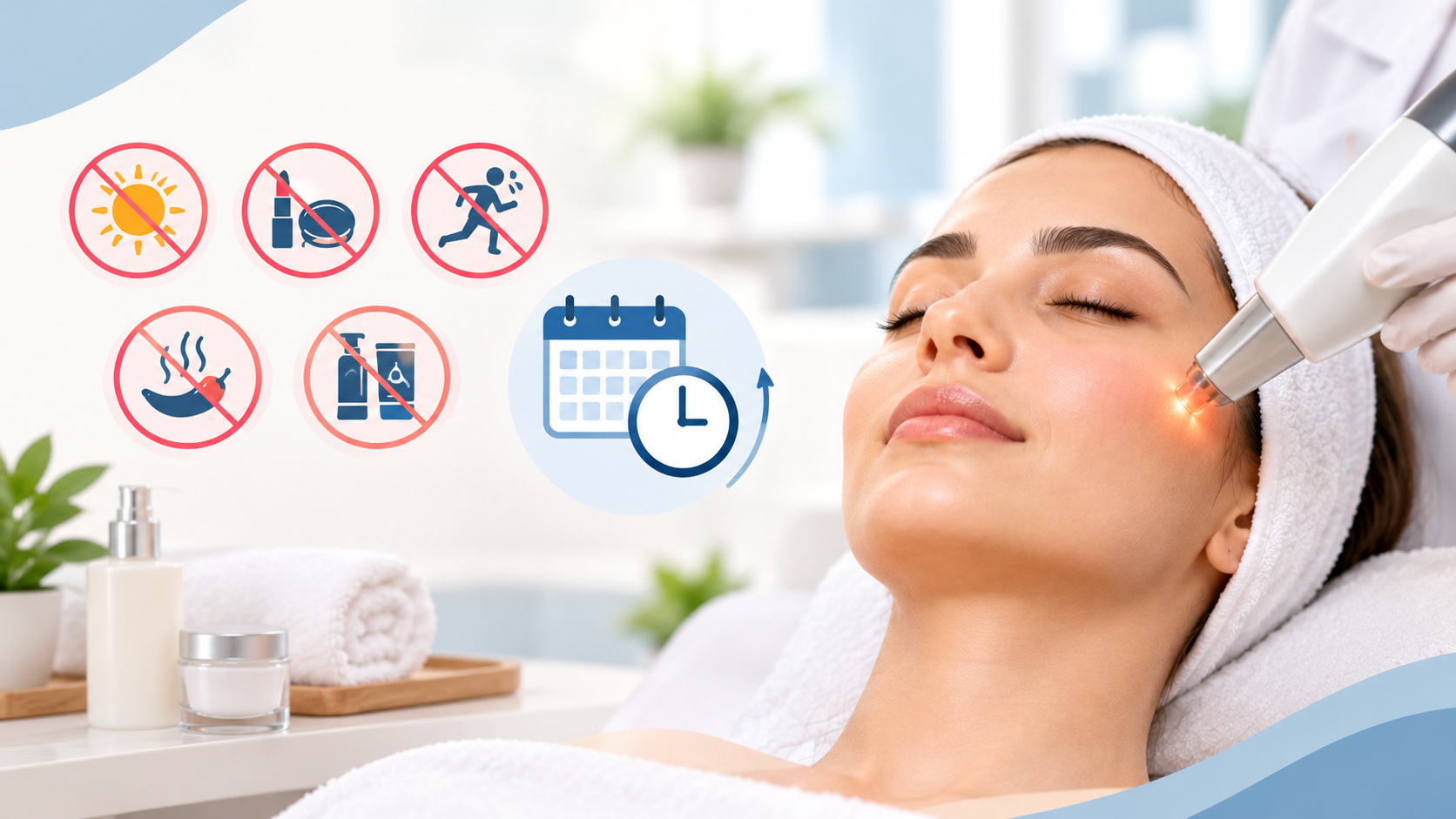
RF treatment uses controlled heat to stimulate collagen production deep in your skin without damaging the surface. It’s one of the most requested options for people looking for face and neck tightening treatment near me, since it works well on delicate areas where surgery feels too aggressive.
- Typically needs 4 to 6 sessions spaced a few weeks apart
- Little to no downtime, you can usually return to your day right after
- Results build gradually over 2 to 3 months as new collagen forms
High-Intensity Focused Ultrasound (HIFU)
HIFU delivers focused ultrasound energy to deeper layers of skin and tissue, triggering a stronger collagen response than RF alone. It’s often chosen for jawline and neck laxity, and results can last 12 to 18 months with proper skincare in between.
Microneedling with RF
This combines tiny needle punctures with radiofrequency energy, creating controlled micro-injuries that trigger your skin’s natural healing and collagen response. It works especially well on stomach and body skin after pregnancy or weight loss, alongside facial laxity.
Laser-Based Skin Tightening
Certain lasers heat the deeper skin layers to encourage collagen remodelling, often paired with other treatments for a more complete result. This is generally recommended after an in-person skin evaluation rather than as a standalone first step.
Why Choosing the Right Clinic Matters
Skin tightening results depend heavily on the equipment, the practitioner’s experience, and how well your skin type is assessed before treatment. This is exactly why people specifically search for the best clinic for skin tightening in Indore instead of booking the first available slot they find online.
A few things worth checking before you commit to any clinic:
- Is the treatment performed or supervised by a qualified dermatologist
- Does the clinic use FDA-cleared or CE-certified devices
- Do they explain realistic timelines instead of promising overnight results
- Do they customise the treatment plan to your skin type and laxity level
Getting a skin tightening treatment by a skin specialist in Vijay Nagar rather than a generic aesthetic centre means your treatment plan actually accounts for your skin’s medical history, not just the area you want tightened.
What Results Can You Realistically Expect
Non-surgical skin tightening improves firmness and texture, but it doesn’t replicate the dramatic change of surgery. Setting the right expectations upfront avoids disappointment later.
- Mild to moderate laxity: Noticeable improvement in firmness and skin texture over a few months
- Fine lines and crepey skin: Often respond very well, especially on the face and neck
- Severe sagging: Improves but usually won’t fully resolve without surgical intervention
- Maintenance: Occasional follow-up sessions help sustain results as your skin naturally ages
Most people see gradual improvement rather than an instant transformation, since these treatments work with your body’s own collagen-building process instead of forcing an immediate physical change.
Why a Female Dermatologist Makes a Difference for This Concern
Loose skin after pregnancy or weight loss is a deeply personal concern, and many patients simply feel more comfortable discussing it with a woman who understands both the physical and emotional side of it. This is one of the biggest reasons patients look for a female dermatologist in Indore rather than a general aesthetic practitioner for this specific treatment.
A dermatologist who regularly treats post-pregnancy and post-weight-loss skin will also know how to sequence your treatment safely, especially if you’re still breastfeeding or your skin is still adjusting after recent weight changes.
If you’re also noticing hair thinning alongside skin changes, which is common after pregnancy, it’s worth reading our guide on the best treatment for hair fall and how to manage it to understand how the two are often connected.
Frequently Asked Questions
1. Can loose skin tighten on its own without treatment?
Mild loose skin can improve slightly over time with good hydration and muscle building, but moderate to significant laxity usually needs a targeted treatment to see real change.
2. How many sessions of skin tightening do I actually need?
Most non-surgical treatments need 4 to 6 sessions for visible results, though this depends on how much laxity you have and which treatment your dermatologist recommends.
3. Is non-surgical skin tightening painful?
Most patients describe a warm sensation during RF or HIFU treatments rather than pain, and numbing cream is used for more sensitive areas when needed.
4. How soon after pregnancy can I start skin tightening treatment?
Most dermatologists recommend waiting until you’ve finished breastfeeding and your hormone levels have stabilised, usually a few months postpartum, though this varies by individual.
5. Does skin tightening work for stomach skin after major weight loss?
Yes, especially for mild to moderate laxity, though very loose or hanging skin after significant weight loss may still need a surgical opinion alongside non-surgical support.
6. Is skin tightening a one-time treatment or ongoing?
Initial results need a series of sessions, and most people benefit from occasional maintenance sessions afterward to sustain firmness as skin naturally ages.
Final Thoughts
Loose skin after weight loss or pregnancy is common, and you don’t need to jump straight to surgery to see real improvement. The right non-surgical treatment, chosen after a proper skin assessment, can rebuild firmness gradually and safely without downtime.
If you’re ready to understand which option suits your skin best, book a consultation with Skinology’s dermatology team in Indore and get a personalised treatment plan before you decide on anything.