
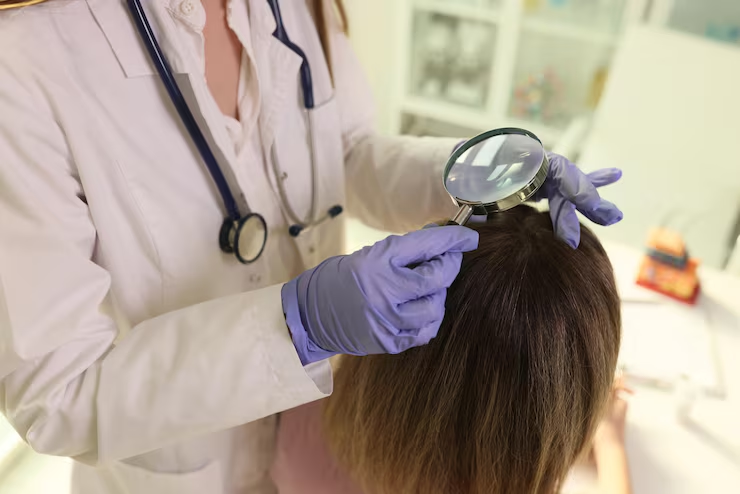
Hair loss is a common concern that affects both men and women. Many people search online to understand what dermatologists do for hair loss and what tests are performed to identify the cause. A dermatologist does much more than simply prescribe medication. Specialists carefully evaluate the scalp, study medical history, and conduct specific diagnostic tests to determine the exact reason behind hair thinning or excessive shedding.
Hair loss may occur due to genetics, hormonal imbalance, stress, nutritional deficiencies, scalp infections, or autoimmune disorders. Identifying the root cause is the first step toward effective treatment. At clinics offering skin and hair consultation in Indore, dermatologists use advanced diagnostic tools and medical evaluations to provide targeted hair fall treatment indore. Early consultation with a hair specislist in indore vijay nagar can help prevent further hair thinning and support healthier hair growth.
Why Dermatologists Perform Tests for Hair Loss
Hair loss is not a single condition. It is a symptom that may result from several medical or lifestyle factors. Dermatologists perform diagnostic tests to determine:
• The type of hair loss
• The health of hair follicles
• Whether scalp inflammation is present
• If hormonal imbalance is causing hair thinning
• Whether nutritional deficiencies are involved
Without accurate diagnosis, hair loss treatments may not work effectively. Patients visiting clinics for best skin treatment in indore often undergo these evaluations so dermatologists can recommend the most suitable therapy.
What Dermatologists Do for Hair Loss During the First Consultation
Understanding what dermatologists do for hair loss begins with the first consultation. During this visit, dermatologists collect detailed information and examine the scalp carefully.
Medical History Assessment
Dermatologists ask several questions to identify possible causes of hair loss. These questions may include:
• When the hair loss began
• Family history of baldness
• Recent illness or surgery
• Current medications
• Diet and nutritional habits
• Stress levels or lifestyle changes
This information provides important clues about the underlying cause.
Scalp and Hair Examination
A physical examination of the scalp helps dermatologists identify visible signs of hair loss. They look for:
• Thinning patterns
• Bald patches
• Scalp redness or irritation
• Dandruff or fungal infection
• Broken or damaged hair shafts
Many patients visiting a dermatologist vijay nagar undergo this detailed scalp assessment before additional tests are recommended.
Hair Pull Test Dermatologists Use to Evaluate Hair Loss
The hair pull test is one of the simplest methods dermatologists use to evaluate hair shedding. During this test, a dermatologist gently pulls a small section of hair from different areas of the scalp. If several strands come out easily, it may indicate excessive shedding.
This test helps diagnose conditions such as:
• Telogen effluvium
• Early-stage androgenetic alopecia
• Stress-related hair loss
The procedure is quick and painless and is commonly used during consultations for hair fall treatment indore.
Trichoscopy A Modern Diagnostic Tool for Hair Loss
Trichoscopy is an advanced scalp imaging technique used by dermatologists to diagnose hair loss conditions. It involves using a digital dermatoscope to magnify the scalp and hair follicles. This allows dermatologists to observe structures that are not visible to the naked eye. Trichoscopy helps detect:
• Hair follicle density
• Miniaturized hair follicles
• Scalp inflammation
• Broken hair shafts
• Fungal infections
Clinics providing best skin treatment Services in indore often use trichoscopy to diagnose hair loss without invasive procedures. This method improves diagnostic accuracy and helps dermatologists develop personalized treatment plans.
Blood Tests Dermatologists Recommend for Hair Loss
Blood tests are frequently recommended when dermatologists suspect medical conditions contributing to hair loss. These tests help identify nutritional deficiencies and hormonal imbalances. Common blood tests include:
Thyroid Function Test
An imbalance in thyroid hormones can cause hair thinning or excessive shedding.
Iron and Ferritin Levels
Iron deficiency is one of the most common causes of hair loss, particularly in women.
Vitamin D and Vitamin B12 Tests
Low levels of essential vitamins may weaken hair follicles and slow hair growth.
Hormonal Tests
Hormonal conditions such as PCOS may lead to hair thinning and scalp hair loss. Patients consulting a dermatologist in palasia or visiting a hair specislist in indore vijay nagar are often advised these tests before starting treatment. According to the American Academy of Dermatology, identifying underlying medical conditions is essential for accurate hair loss diagnosis.
Scalp Biopsy Dermatologists Use for Complex Hair Loss Cases
In certain cases where the cause of hair loss is unclear, dermatologists may recommend a scalp biopsy. This procedure involves removing a very small sample of scalp tissue for microscopic examination. A scalp biopsy helps diagnose conditions such as:
• Alopecia areata
• Scarring alopecia
• Lupus-related hair loss
• Chronic scalp inflammation
The procedure is usually performed under local anesthesia and causes minimal discomfort. The tissue sample is analyzed in a laboratory to study hair follicle structure and identify any disease affecting the scalp.
Advanced Hair Growth Tests Dermatologists May Perform
Some dermatology clinics perform additional tests to evaluate hair growth patterns and scalp health. These advanced assessments may include:
Phototrichogram
This digital imaging technique measures hair density and hair growth cycles.
Hair Density Analysis
Dermatologists count the number of hair follicles in a specific scalp area.
Scalp Oil and Sebum Analysis
Excess oil production may affect scalp health and contribute to hair loss. Such diagnostic methods are often available at clinics providing skin treatment in indore with modern dermatology technology.
Common Hair Loss Conditions Dermatologists Diagnose
After conducting tests and examinations, dermatologists determine the specific type of hair loss affecting the patient. Some of the most common conditions include:
Androgenetic Alopecia
This condition is also known as male or female pattern baldness. It is caused by genetic and hormonal factors.
Telogen Effluvium
Temporary hair shedding triggered by stress, illness, or nutritional deficiencies.
Alopecia Areata
An autoimmune condition where the immune system attacks hair follicles, leading to patchy hair loss.
Traction Alopecia
Hair loss caused by tight hairstyles or repeated pulling of hair.
Scalp Infections
Fungal infections such as ringworm can damage hair follicles and cause hair loss. Dermatologists specializing in hair fall treatment indore diagnose these conditions through clinical evaluation and diagnostic testing. For more information on hair loss causes, the National Institutes of Health provides helpful
Treatment Options Dermatologists Recommend After Diagnosis
Once dermatologists determine the cause of hair loss, they recommend a personalized treatment plan. Common treatment options include:
• Topical medications such as minoxidil
• Oral medications to regulate hormones
• Nutritional supplements to correct deficiencies
• PRP therapy to stimulate hair follicles
• Laser therapy for hair regrowth
• Lifestyle and dietary modifications
Some dermatology clinics also offer aesthetic treatments such as best laser hair reduction in vijay nagar as part of comprehensive skin and hair care services. Proper diagnosis ensures that treatment targets the root cause rather than just managing symptoms.
When You Should See a Dermatologist for Hair Loss
Hair shedding is normal, but excessive or sudden hair loss may require medical attention. You should consult a dermatologist if you notice:
• Sudden hair thinning
• Bald patches on the scalp
• Hair falling out in large amounts
• Persistent scalp itching or redness
• Hair loss following illness or stress
Booking a skin consultation in Indore can help identify the cause early and prevent further hair damage.
Why Early Diagnosis Improves Hair Loss Treatment Success
Hair follicles remain active only for a limited time after hair loss begins. If treatment starts early, dermatologists can often restore hair growth and prevent permanent damage. Delaying diagnosis may result in:
• Permanent follicle damage
• Reduced hair density
• Slower response to treatment
Visiting a trusted clinic known for best skin treatment in indore allows patients to receive early diagnosis and effective care.
FAQs
What dermatologists do for hair loss during the first visit?
Dermatologists review medical history, examine the scalp, and may perform tests such as the hair pull test or trichoscopy to identify the cause of hair loss.
Do dermatologists perform blood tests for hair loss?
Yes. Blood tests help detect iron deficiency, thyroid disorders, vitamin deficiencies, and hormonal imbalances that may contribute to hair loss.
Is a scalp biopsy painful?
A scalp biopsy is performed under local anesthesia and usually causes minimal discomfort.
How long does it take to diagnose hair loss?
Many hair loss conditions can be diagnosed during the first consultation, although laboratory tests may take a few days for results.
When should I consult a dermatologist for hair fall?
You should consult a dermatologist if hair loss continues for several weeks, or if you notice thinning hair, bald patches, or scalp irritation. If you are experiencing excessive hair fall or thinning hair, professional diagnosis is the first step toward effective treatment. Book a skin consultation in Indore at Skinology today and receive expert evaluation from a trusted hair specislist in indore vijay nagar. Our clinic offers advanced hair fall treatment indore designed to restore healthy hair growth and improve scalp health. Take the first step toward stronger and healthier hair by scheduling your consultation today.
Conclusion
Understanding what dermatologists do for hair loss helps patients feel more confident about seeking professional treatment. Dermatologists use several diagnostic tools including scalp examination, hair pull tests, trichoscopy, blood tests, and scalp biopsy to identify the underlying cause of hair loss. These tests provide valuable insights that allow dermatologists to create personalized treatment plans tailored to each patient’s condition. If you are experiencing hair thinning or excessive shedding, consulting a dermatologist vijay nagar or dermatologist in palasia can help diagnose the problem early and restore healthy hair growth.