
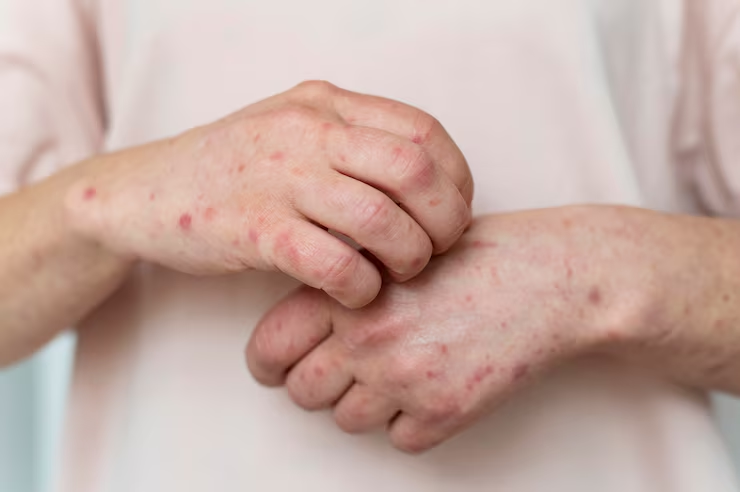
Do you notice red, itchy, or inflamed patches on your skin and wonder whether it’s a simple allergy or a fungal infection? Many people face this confusion, and choosing the wrong treatment can sometimes make the problem worse. Understanding the difference between a skin allergy and a fungal infection is essential to ensure proper care and relief.
In this guide, we’ll explore the key differences, causes, symptoms, treatments, and prevention methods for both conditions. By the end, you’ll know when to consult a skin doctor in Indore or a fungal infection doctor in Indore, and how to take care of your skin the right way.
What Is a Skin Allergy?
A skin allergy occurs when your immune system reacts to substances known as allergens. These reactions are not caused by infections but by the body misinterpreting harmless substances as threats. Skin allergies are uncomfortable, sometimes painful, and can interfere with daily life.
Common Symptoms of Skin Allergies
- Red or inflamed patches of skin
- Intense itching or burning sensations
- Swelling or hives
- Dry, flaky, or scaly skin
Common Causes of Skin Allergies
Skin allergies can result from a variety of triggers:
- Cosmetic products: Lotions, creams, and perfumes
- Detergents and cleaning chemicals: Soaps and laundry products
- Food items: Nuts, seafood, dairy
- Environmental allergens: Dust, pollen, or pet dander
Treatment for Skin Allergies
Managing skin allergies usually involves a combination of reducing exposure to allergens and using treatments to soothe the skin:
- Topical creams: Corticosteroid creams reduce inflammation
- Antihistamines: Help control itching and redness
- Professional care: Persistent or severe allergies should be checked by a skin allergy treatment specialist in Indore
What Is a Fungal Infection?
A fungal infection, also known as mycosis, is caused by fungi that grow on your skin, nails, or hair. Unlike allergies, fungal infections are contagious and can spread through direct contact or shared personal items such as towels, clothing, or shoes.
Common Symptoms of Fungal Infections
- Red, brown, or white patches on the skin
- Scaling, peeling, or cracking
- Itching or discomfort, sometimes severe
- Blisters or pus in advanced cases
Common Causes of Fungal Infections
Fungal infections thrive in warm, moist environments. Common causes include:
- Excessive sweating or humid climates
- Poor hygiene or prolonged damp clothing
- Contact with infected surfaces such as gym mats or swimming pools
- Weakened immunity due to illness or medications
Treatment for Fungal Infections
Treating a fungal infection usually requires antifungal medications:
- Topical creams or ointments: Effective for mild infections
- Oral antifungal medications: For more severe infections
- Lifestyle changes: Keeping skin dry and clean to prevent recurrence
A fungal infection doctor in Indore can recommend the best treatment plan depending on the severity of the infection.
Key Differences Between Skin Allergies and Fungal Infections
Understanding the differences between these two conditions can save you time, money, and discomfort.
| Feature | Skin Allergy | Fungal Infection |
| Cause | Immune system overreaction | Fungal organisms |
| Contagious? | No | Yes |
| Onset | Sudden, after exposure to allergen | Gradual, may spread over time |
| Appearance | Red, itchy patches, hives | Circular patches, scaling, peeling, blisters |
| Treatment | Antihistamines, creams, avoiding triggers | Antifungal creams, oral medication, hygiene |
When to Consult a Dermatologist
Sometimes, self-treatment isn’t enough. You should see a dermatologist in Indore if:
- Redness, itching, or rashes persist beyond two weeks
- Circular patches or scaling skin spreads quickly
- Painful blisters, oozing, or pus develops
- Over-the-counter creams fail to improve symptoms
A professional evaluation ensures proper diagnosis and treatment—whether it’s skin allergy treatment in Indore or fungal infection management.
Prevention Tips for Healthy Skin
For Skin Allergies
- Patch-test new products before applying all over your skin
- Avoid known triggers, whether food or environmental
- Maintain a regular skincare routine to keep the skin healthy
For Fungal Infections
- Keep skin dry and clean, especially in folds and sweaty areas
- Avoid sharing personal items like towels, shoes, or clothes
- Wear breathable clothing in humid climates
- Use antifungal powders if prone to infections
Lifestyle Habits That Support Healthy Skin
- Stay hydrated: Water helps flush toxins and maintain skin elasticity
- Balanced diet: Include vitamins, antioxidants, and probiotics
- Stress management: Stress can trigger allergies and worsen infections
- Regular exercise: Promotes circulation and healthy immunity
FAQs About Skin Allergies and Fungal Infections
1. Can a skin allergy become a fungal infection?
No, a skin allergy cannot transform into a fungal infection. However, scratching allergic skin can cause breaks, making it easier for fungi to enter and cause secondary infections.
2. How long do fungal infections take to heal?
Mild infections can improve within 2-4 weeks using proper antifungal treatment. Severe cases may take several months and require medical supervision.
3. Are skin allergies hereditary?
Yes, genetics can play a role. Individuals with a family history of eczema, asthma, or allergies are more susceptible to developing skin allergies.
4. Can fungal infections recur?
Yes. Recurrence is common if hygiene practices are not maintained or if the immune system is weak. Following a dermatologist’s guidance reduces the risk of relapse.
5. Can over-the-counter creams treat both conditions?
OTC creams may help mild cases, but using antifungal creams for an allergy or steroid creams for a fungal infection can worsen the condition. Professional consultation is always recommended.
Conclusion
Distinguishing between a skin allergy and a fungal infection is crucial for effective treatment. Skin allergies are caused by immune reactions to allergens, while fungal infections are due to contagious fungi. Recognizing the symptoms, understanding the causes, and taking preventive measures can make a significant difference.
For persistent or severe cases, consult a dermatologist in Indore or a fungal infection doctor in Indore to ensure the right diagnosis and treatment plan. By taking proactive steps, you can maintain healthy, itch-free skin and avoid complications.