
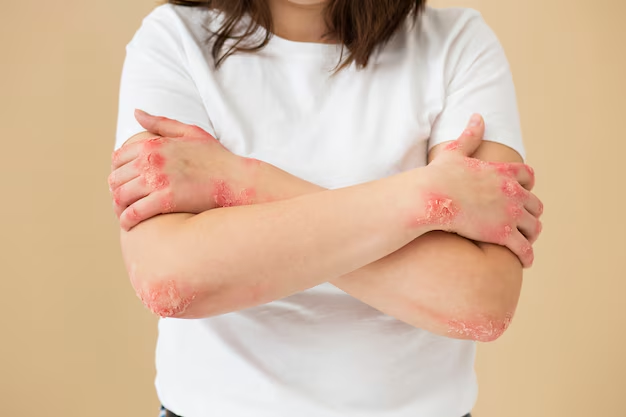
Skin is our first line of defense against germs, but it’s also prone to infections. Many people who visit a Dermotologist in Indore often ask, “Will my skin infection spread to my family or friends?” It’s a valid concern—while some skin conditions are harmless and non-contagious, others can easily pass from one person to another.
Understanding which infections spread, how they spread, and how to protect yourself is essential. In this blog, we’ll explore:
- Types of skin infections.
- Which ones are contagious and which are not.
- Ways to prevent them from spreading.
- When to seek skin infections treatment in Indore.
By the end, you’ll have a clear idea of how to manage skin infections safely while protecting your loved ones.
What Are Skin Infections?
A skin infection happens when harmful organisms like bacteria, fungi, viruses, or parasites invade the skin and cause symptoms such as redness, itching, pain, or swelling.
Common Types of Skin Infections
- Bacterial Infections
- Impetigo (common in children, causes yellow crusty sores).
- Cellulitis (red, painful swelling often on legs).
- Boils (pus-filled lumps caused by staphylococcus bacteria).
- Fungal Infections
- Ringworm (circular red itchy rash).
- Athlete’s foot (scaly, itchy feet).
- Yeast infections (affecting folds of skin).
- Viral Infections
- Warts (caused by HPV).
- Cold sores (caused by herpes simplex virus).
- Chickenpox and shingles.
- Parasitic Infections
- Scabies (tiny mites burrow under the skin causing intense itching).
- Lice (common on the scalp).
Not every infection is contagious, but those caused by fungi, viruses, and parasites tend to spread quickly if left untreated.
Can Skin Infections Spread to Others?
The answer is yes, many can spread—but not all. How they spread depends on the type of infection.
How Skin Infections Spread
- Direct skin-to-skin contact – touching infected skin (like scabies or ringworm).
- Indirect contact – sharing towels, razors, bedsheets, or clothing.
- Airborne droplets – viral infections like chickenpox spread through sneezing or coughing.
- Poor hygiene practices – not washing hands or wearing sweaty clothes for too long.
Contagious vs Non-Contagious Skin Conditions
Knowing the difference helps reduce unnecessary worry and ensures proper care.
Contagious Skin Infections
- Ringworm (fungal)
- Athlete’s foot (fungal)
- Scabies (parasitic)
- Impetigo (bacterial)
- Cold sores (viral)
- Chickenpox (viral)
Non-Contagious Skin Conditions
- Psoriasis – an autoimmune condition causing red, scaly patches.
- Eczema – caused by genetic or environmental factors.
- Rosacea – linked to skin sensitivity and blood vessels.
- Dermatitis – allergic reactions.
This means if you’re undergoing psoriasis treatment in Indore, you don’t need to worry about spreading it to others. But infections like impetigo, ringworm, and scabies must be treated promptly to prevent transmission.
Symptoms of Contagious Skin Infections
Watch out for these signs:
- Red or scaly patches that grow in size.
- Itchy rashes that worsen with scratching.
- Fluid-filled blisters or pus.
- Crusty yellow lesions (impetigo).
- Intense itching at night (scabies).
- Warts spreading to other body parts.
If these symptoms appear, consult a dermatologist in Indore before the infection worsens.
How to Prevent Skin Infections from Spreading
Good hygiene and timely treatment are key. Here’s what you can do:
- Wash hands frequently with soap and water.
- Avoid sharing towels, bedsheets, combs, or razors.
- Keep wounds clean and covered until they heal.
- Change clothes daily and wash them properly.
- Wear breathable fabrics to reduce fungal growth.
- Use antifungal powders or medicated soaps if prone to fungal infections.
- Disinfect household items if someone has a contagious infection.
- Seek treatment early from a skin infections treatment in Indore clinic.
When Should You See a Dermatologist in Indore?
You should visit a skin doctor in Indore if:
- The infection is spreading rapidly.
- Symptoms don’t improve with home remedies.
- You notice pus, severe itching, or fever.
- You get frequent or recurring skin infections.
- A child or elderly person develops symptoms (as they are more vulnerable).
Treatment Options for Skin Infections in Indore
Dermatologists use different approaches depending on the infection type:
- Antibiotics – oral or topical for bacterial infections.
- Antifungal creams & tablets – for ringworm, athlete’s foot, or yeast infections.
- Antiviral medicines – for herpes, cold sores, or chickenpox.
- Medicated shampoos & lotions – for lice and scabies.
- Lifestyle guidance – diet, hygiene, and skin care tips.
At advanced clinics like Skinology, treatments are tailored to ensure quick relief and prevent recurrence. Long-term skin conditions like psoriasis treatment in Indore are managed with specialized therapies and follow-up care.
FAQs on Skin Infections
1. How do I know if my skin infection is contagious?
If the rash is itchy, spreading, or has pus-filled blisters, it’s likely contagious. A dermatologist in Indore can confirm with lab tests if necessary.
2. Can I go to school or work with a skin infection?
If it’s non-contagious (like eczema or psoriasis), yes. But if it’s contagious (like impetigo, scabies, or ringworm), avoid close contact until treated.
3. What happens if I don’t treat a skin infection?
Mild infections may worsen and spread to other body parts or people. Severe untreated cases can even lead to complications like cellulitis or bloodstream infections. Always seek timely skin infections treatment in Indore.
4. Is psoriasis contagious?
No. Psoriasis is an autoimmune disease and cannot be passed from person to person. Psoriasis treatment in Indore focuses on reducing flare-ups and improving quality of life.
Conclusion
Skin infections are common, but they don’t have to disrupt your life. Some are harmless and non-contagious, while others can easily spread through contact or shared items. The key is knowing the difference and acting quickly.
If you notice unusual rashes, blisters, or persistent itching, consult a trusted dermatologist in Indore. Early skin infections treatment in Indore not only protects you but also prevents spreading the infection to your family and friends.
Ready to restore your skin health? Book your consultation with Skinology today and get expert care from the best skin doctor in Indore.