
Photo Facial in Indore
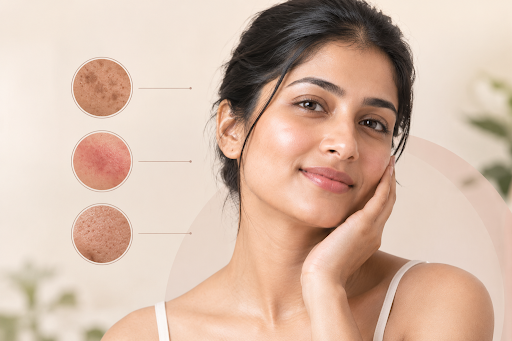
Sun spots that won’t fade. Redness that shows up in every photo. Pores that look bigger every year. If that sounds familiar, the fix isn’t another serum—it’s a treatment that reaches the pigment and blood vessels under the skin.
Photo facial treatment in Indore at Skinology is planned and performed by Dr. Ginni Chhabria, a dermatologist with 13+ years of experience, not handed off to a technician running default settings on every face that walks in. Using IPL (Intense Pulsed Light), she targets exactly what’s causing your specific concern—sun exposure, old acne pigmentation, or visible blood vessels—based on a skin analysis done before your first session.
What IPL Actually Does to Your Skin
Here’s the part most clinics skip explaining. IPL doesn’t sit on your skin like a cream. It sends pulses of light energy through your skin’s surface, where pigment and tiny blood vessels absorb it and break down. Your body then clears that debris naturally over the next several days, which is why:
- You won’t see an overnight transformation
- Your skin keeps improving for days after each session
- Results build gradually across sessions instead of fading right after
This is a different mechanism from a chemical peel or scrub, both of which only work on the surface, and it’s also why photo facial treatment is not the same thing as a regular facial you’d get at a salon.
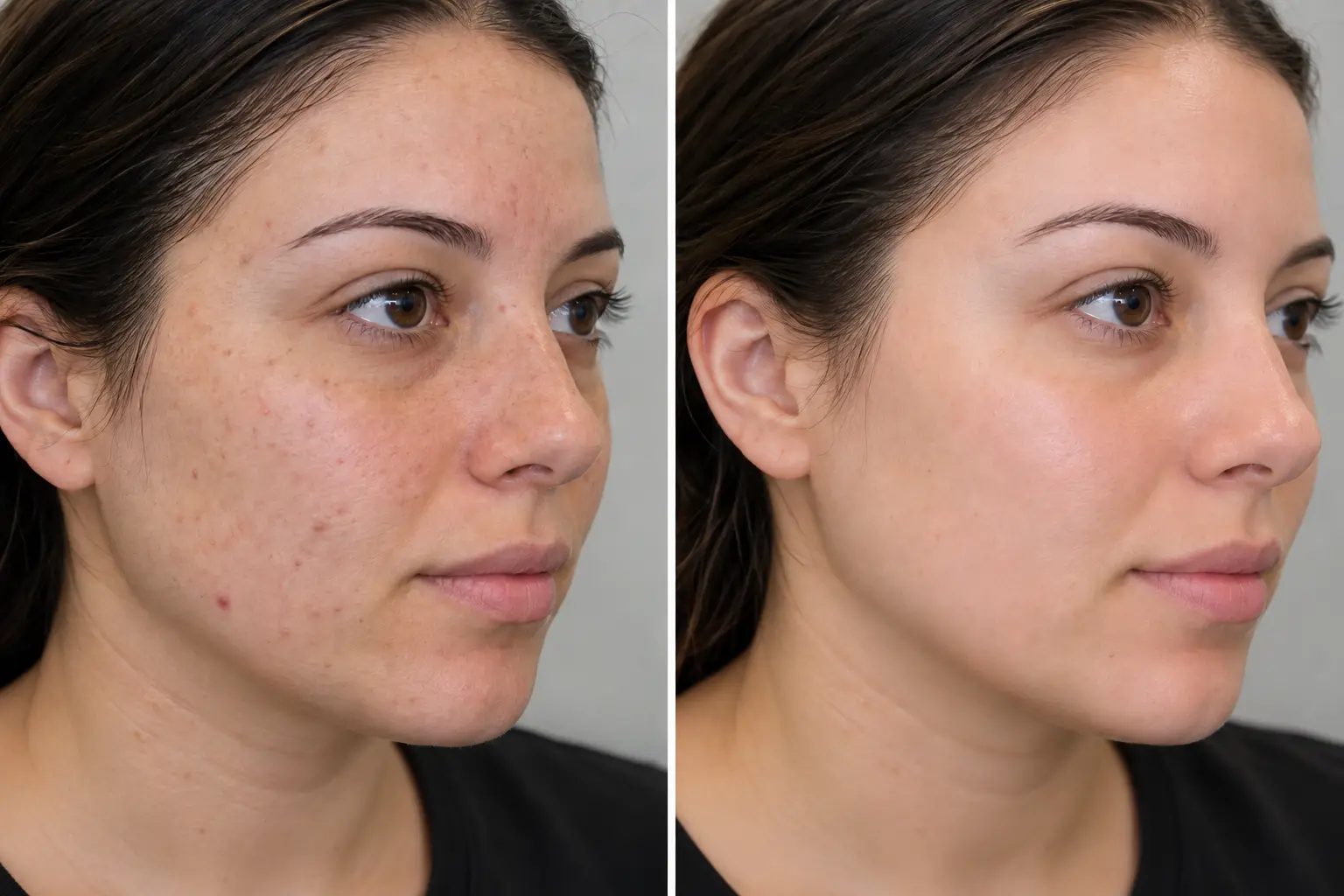
Is This Treatment Right for You?
You’re a good fit for photo facial treatment if you’re dealing with:
- Sun-damaged skin from years of outdoor exposure
- Pigmentation, dark spots, or an uneven tone that won’t fade
- Persistent facial redness or rosacea-related flushing
- Visibly enlarged pores
- Fine lines just starting to show up in your late 20s or 30s
You may need to wait or explore an alternative first if you have a very deep tan, an active skin infection, or certain sensitivities. Dr. Ginni Chhabria confirms this at your consultation, not with a generic checklist.
Your Treatment, Step by Step
Consultation and skin analysis
She reviews your sun exposure history, current concerns, and skin type
Cleansing
Your skin is cleared of makeup, oil, and debris.
Protective eyewear
Fitted before any light pulses begin
The IPL pass.
Light energy targets your pigmented or reddened areas, with intensity adjusted as your skin responds
Cooling gel
Applied immediately to calm treated skin.
Sunscreen and aftercare
Non-negotiable, since treated skin is more sun-sensitive for a few days.
What to Expect in the Days After
In the first 24 to 48 hours, you may notice mild redness, slight swelling, or a sunburn-like warmth, and pigmented spots can look temporarily darker before they start flaking off and fading. Avoid hot showers, harsh scrubs, and direct sun for a few days. Stick to a gentle cleanser, a fragrance-free moisturizer, and sunscreen every single day, even if you’re mostly indoors.
How Long Do Results Actually Last?
Most patients see results holding for 6 to 12 months, depending on how much new sun exposure and ageing your skin deals with afterward. That’s why Dr. Ginni Chhabria usually recommends a maintenance session every 6 to 12 months once your initial series is done, rather than treating it as a one-time fix.
What Determines Your Cost
Photo facial treatment isn’t priced as a flat, one-size number, and any clinic that quotes you an exact figure without seeing your skin first is guessing. What actually decides your cost:
- How many sessions your skin needs, since sun damage, pigmentation, and redness don’t respond at the same pace
- Which areas you’re treating: just the face, or face plus neck and hands
- The specific IPL settings and passes your skin type requires
Dr. Ginni Chhabria gives you a clear, itemized quote only after your skin analysis, so you know exactly what you’re paying for before committing to anything.
Photo Facial, Carbon Facial or Laser Facial: Which One Do You Need?
| Your main concern | Best match |
| Redness, rosacea, sun damage, broken capillaries | Photo Facial |
| Oily skin, clogged pores, blackheads | Carbon Facial in Indore |
| Pigmentation, acne marks, uneven tone | Laser Facial in Indore |
| Dullness, dehydration, day-to-day glow | Medi Facial in Indore |
Dealing with more than one? Dr. Ginni Chhabria often combines treatments across sessions rather than making you pick just one.
Why Patients Choose Skinology for This
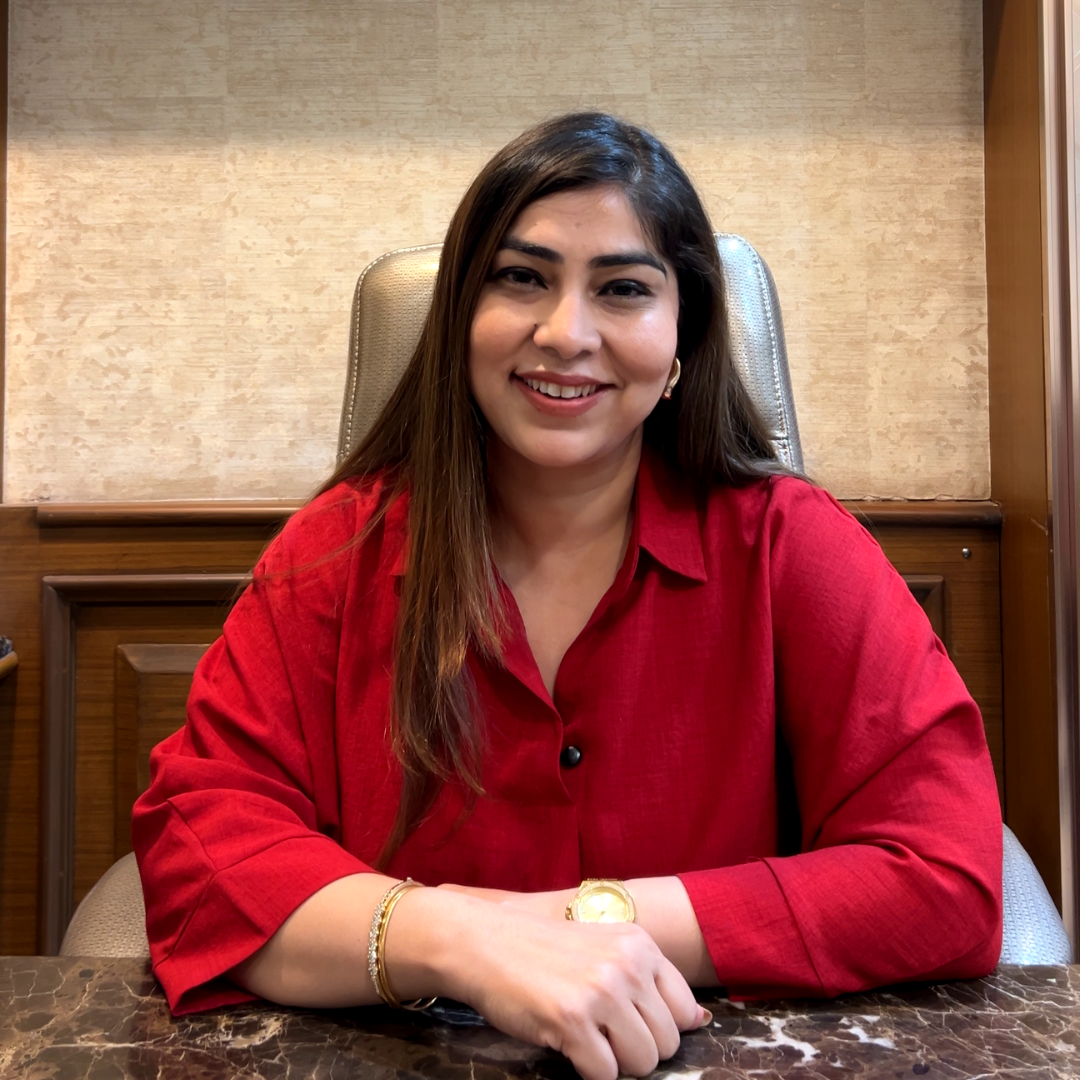
- Led by one doctor, start to finish. Dr. Ginni Chhabria holds an MBBS, a postgraduate diploma in Dermatology (DDV) from Mumbai, and a Fellowship in Lasers and Skin Surgery from Singapore.
- Real clinical background. She held senior consulting roles at Kaya Skin Clinic and Yuva Cosmoderm before founding Skinology.
- Two convenient clinics. If you’ve been searching for the best dermatologist for a photo facial in Vijay Nagar, or a photo facial skin clinic in Old Palasia, Skinology runs both, near Bombay Hospital.
- Built around your skin, not a fixed protocol. If your skin also needs deeper hydration, she may pair this with medi facial treatments in Indore.
- Backed by real patient outcomes. Skinology holds a 4.4+ patient satisfaction rating across verified reviews — see patient reviews or Google Maps.
Skinology — Dr. Ginni Chhabria
Old Palasia: G-1, Surya Apartment, 30, Joy Builders Colony, Behind Rafael Tower, Indore, MP 452001
Vijay Nagar: 144, 145B, near Shanti Niketan Gate, Behind Bombay Hospital, Vasant Vihar Colony, Indore, MP 452010
Frequently Asked Questions
What is a photo facial?
A photo facial is a non-invasive skin treatment that uses Intense Pulsed Light (IPL) to break down excess pigment and visible blood vessels beneath the skin’s surface, reducing sun spots, redness, and uneven tone over a series of sessions. In Indore, it’s performed at Skinology by Dr. Ginni Chhabria, MBBS, DDV, and takes 20–30 minutes per session with no downtime
How much does photo facial treatment cost in Indore?
There’s no fixed price, since it depends on how many sessions your skin needs and which areas you’re treating. You’ll get a clear, itemized quote after Dr. Ginni Chhabria’s skin analysis, not a guess before she’s even seen your skin.
Is photo facial treatment safe for sensitive or redness-prone skin?
Yes, with intensity adjusted specifically for you. Certain active conditions may mean waiting, which gets confirmed before treatment, not after.
How many sessions will I need?
Most patients need 3 to 6 sessions spaced 2 to 4 weeks apart, though some see brighter skin after the first one.
Does photo facial treatment hurt?
Most patients describe it as feeling like a rubber band snapping against the skin, not real pain, and a cooling gel goes on right after each pulse.
What are the side effects?
Mild redness, slight swelling, or a sunburn-like feeling for a day or two. Some pigmented spots darken briefly before they flake off and fade. Serious side effects are rare when settings are matched to your skin type.
How long do the results last?
Typically 6 to 12 months, after which a maintenance session helps keep results steady rather than starting from scratch again.
Can I wear makeup right after treatment?
It’s best to skip makeup for the rest of that day and stick to gentle cleansing, moisturizer, and sunscreen while your skin settles.
How is this different from a Medi Facial?
Photo facial treatment targets pigmentation and redness at a deeper level. A Medi Facial Treatment in Indore focuses more on cleansing and hydration. Some patients do both.
Where can I get this near Vijay Nagar or Old Palasia?
Skinology runs clinics in both locations, so whether you’re looking for the best dermatologist for photo facial in Vijay Nagar or a photo facial skin clinic in Old Palasia, you’re covered without crossing town.
Is IPL photo facial safe for Indian skin tones?
It requires more caution on deeper skin tones because of higher melanin content, which is why settings are calibrated per patient rather than run on a default protocol. Dr. Ginni Chhabria confirms suitability during your skin analysis before any session is booked.
Can I combine photo facial with other treatments?
Yes. Many patients pair it with a Medi Facial for hydration or with anti-ageing treatments for fine lines, sequenced across sessions rather than done on the same day.