Skin Allergy Treatment in Indore
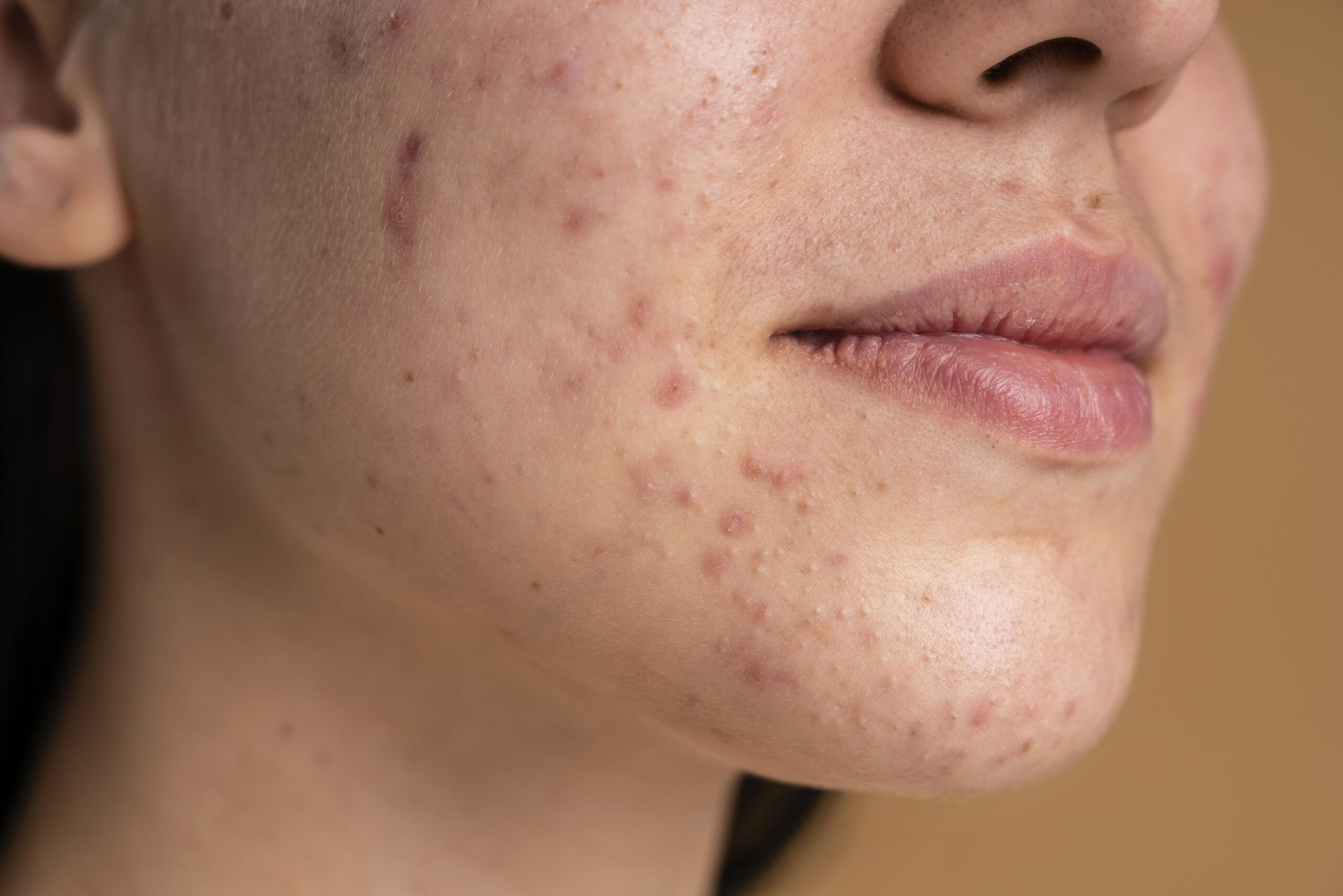
Suffering From Skin Allergies in Indore?
Skin allergies are among the most frequently reported conditions at dermatology clinics across Indore. The city’s high pollution levels, changing seasons, hard water supply, and widespread use of chemical-laden cosmetics and detergents make residents particularly susceptible to allergic skin reactions.
A skin allergy occurs when the immune system overreacts to a substance (allergen) that is otherwise harmless to most people. This reaction can manifest as red rashes, intense itching, hives, swelling, blistering, or dry scaly patches often causing significant discomfort and anxiety.
At Skinology, Dr. Ginni Chhabria with 13+ years of dermatology experience and a Fellowship in Lasers & Skin Surgery from Singapore accurately identifies the type and trigger of your skin allergy and creates a personalised treatment plan to provide fast relief and long-term prevention.
Types of Skin Allergies We Treat at Skinology
Skin allergies are not all the same. Each type has a different trigger, appearance, and treatment approach. Dr. Chhabria diagnoses the exact type before recommending treatment avoiding the common mistake of treating all skin rashes the same way.
01
Contact Dermatitis
Contact dermatitis is one of the most common skin allergies in Indore. It occurs when skin comes into direct contact with an allergen or irritant, causing localised redness, itching, swelling, and sometimes blisters.
| Type | Common Causes |
| Allergic Contact Dermatitis | Nickel jewellery, perfumes, cosmetics, hair dye, rubber, and latex allergies. |
| Irritant Contact Dermatitis | Harsh soaps, detergents, cleaning products, and chemical exposure. |
02
Urticaria (Hives) or Acne
Urticaria commonly known as hives presents as raised, red, intensely itchy welts on the skin that can appear anywhere on the body. They may come and go within hours and range from small patches to large spreading wheals.
- Acute urticaria lasts less than 6 weeks; often triggered by food, medications, or infections
- Chronic urticaria persists beyond 6 weeks; often autoimmune or idiopathic in origin
- Physical urticaria triggered by pressure, cold, heat, or exercise
Common hive triggers in Indore:
Certain foods (nuts, shellfish, eggs, strawberries) | Medications (NSAIDs, antibiotics) | Insect bites | Heat & sweat | Dust & pollen | Hard water | Synthetic fabrics | Stress
03
Atopic Dermatitis (Eczema)
Atopic dermatitis is a chronic, relapsing inflammatory skin condition characterised by dry, itchy, inflamed skin. It is commonly seen in children but frequently persists into adulthood. In Indore, hard water and seasonal weather changes are major triggers.
- Dry, scaly patches most commonly on elbows, knees, neck, and face
- Intense itching often worse at night
- Skin thickening (lichenification) from repeated scratching
04
Allergic Rhinitis with Skin Manifestations
Many patients with nasal allergies (dust, pollen, mould) also develop skin symptoms periorbital darkening, puffy eyes, and skin rashes. These are linked conditions that require a combined approach.
05
Drug / Medication Allergies
Some patients develop skin rashes, hives, or more severe reactions (like Stevens-Johnson Syndrome) as a reaction to medications including antibiotics, pain relievers, and supplements. These require immediate dermatological attention and the offending medication must be identified and stopped.
06
Food Allergies with Skin Symptoms
Food allergies can trigger skin symptoms including hives, rashes, itching, and lip/tongue swelling (angioedema). Common culprits include dairy, nuts, seafood, eggs, and certain food additives. Dr. Chhabria identifies food-related triggers through careful history and patch testing.
07
Environmental & Occupational Allergies
Indore’s pollution, construction dust, chemicals used in textile industries, and agricultural exposure create a high risk of environmental and occupational skin allergies especially for people working in factories, salons, and construction. These often present as chronic hand eczema or widespread contact dermatitis.
Common Symptoms of Skin Allergies
| 1. Redness and inflammation | Raised, itchy welts (hives/urticaria) |
| 2.Dry, scaly, or flaky skin | Blistering or weeping skin |
| 3.Burning or stinging sensation | Swelling of skin, lips, or eyelids |
| 4.Darkening or thickening of skin | Rashes spreading to new areas |
5.Intense itching, especially at night | Skin that is warm to touch |
When to See a Dermatologist Immediately:
If you develop sudden widespread hives with throat tightening or breathing difficulty this may indicate anaphylaxis, a medical emergency. Go to the nearest emergency room. For all other skin allergy symptoms that persist beyond 2–3 days or keep recurring, consult Dr. Ginni Chhabria at Skinology without delay.
How Dr. Ginni Chhabria Diagnoses Skin Allergies at Skinology
Accurate diagnosis is the most important and most often skipped step in skin allergy treatment. Many patients in Indore self-medicate or visit general physicians who prescribe antihistamines without identifying the underlying trigger, leading to recurring symptoms.
Detailed clinical history
Dr. Chhabria takes a thorough history including onset, duration, affected areas, potential exposures (cosmetics, detergents, food, medications, occupational chemicals), and family history of allergies.
Patch Test (Contact Allergen Testing)
A patch test identifies specific allergens causing contact dermatitis. Small amounts of common allergens are applied to the back under patches for 48 hours, then read at 48 and 96 hours. This pinpoints the exact substance causing your allergy allowing you to avoid it permanently.
Blood Tests (if required)
For chronic urticaria or suspected systemic allergies, blood tests including CBC, thyroid function, IgE levels, and specific allergen IgE testing may be recommended.
Skin Prick Test / Intradermal Test
For suspected environmental or food allergies, skin prick testing identifies reactivity to a panel of common allergens.
Clinical examination & dermoscopy
Dermoscopy allows Dr. Chhabria to closely examine skin patterns, helping to differentiate between allergy types and rule out other conditions like psoriasis, fungal infections, or autoimmune conditions.
Skin Allergy Treatment Options at Skinology, Indore
Treatment at Skinology is always based on the confirmed diagnosis not guesswork. Dr. Chhabria combines trigger avoidance, medical therapy, and skin barrier repair for comprehensive and lasting relief.
| Allergy Type | Treatment Protocol at Skinology |
| Contact Dermatitis | Topical corticosteroids, barrier creams, trigger avoidance protocol, patch-test guided elimination |
| Urticaria / Hives | Non-sedating antihistamines, short-course steroids for acute flares, trigger diary, long-term management for chronic urticaria |
| Atopic Dermatitis / Eczema | Emollients, topical steroids or calcineurin inhibitors, wet wrap therapy, trigger control, phototherapy if severe |
| Drug Allergy | Immediate withdrawal of offending drug, oral steroids, antihistamines, monitoring for severe reactions |
| Food Allergy with Skin Symptoms | Elimination diet guidance, antihistamines, epipen prescription if anaphylaxis risk, dietician referral |
| Environmental / Occupational Allergy | Allergen avoidance strategy, barrier protection, moisturiser protocol, medical therapy for flares |
Topical Treatments
- Corticosteroid creams / ointments rapidly reduce inflammation and itching
- Calcineurin inhibitors (tacrolimus, pimecrolimus) steroid-free option for sensitive areas
- Barrier repair creams and emollients restore the damaged skin barrier
- Antihistamine creams for localised itching relief
Oral & Systemic Treatments
- Non-sedating antihistamines first line for hives and allergic rashes
- Short-course oral corticosteroids for severe acute reactions
- Immunomodulators for chronic, steroid-dependent cases
- Omalizumab (Xolair) injection for chronic spontaneous urticaria unresponsive to antihistamines
Phototherapy (Light Therapy)
For chronic urticaria, atopic dermatitis, or widespread allergic conditions unresponsive to topical treatment, narrowband UVB phototherapy is an effective, steroid-free option that Dr. Chhabria may recommend as part of a long-term management plan.
Skincare & Lifestyle Protocol
A critical but overlooked component of allergy management is the daily skincare routine. Dr. Chhabria prescribes:
- Fragrance-free, hypoallergenic face wash and moisturiser
- Sunscreen suitable for sensitive and allergy-prone skin
- Safe cosmetic and household product alternatives
- Dietary and lifestyle trigger management plan
Skin Allergy Triggers Specific to Indore
Indore presents a unique set of environmental and lifestyle factors that increase the risk of skin allergies. Understanding these can help patients manage and prevent recurrence.
| Indore Specific Trigger | How It Affects Skin |
| Hard Water (High TDS) | Strips skin’s natural oils, worsens eczema and contact dermatitis |
| High Pollution & Vehicle Exhaust | Particles clog pores and trigger inflammatory skin reactions |
| Seasonal Change (Summer–Monsoon) | Humidity and heat trigger sweat rashes and heat urticaria |
| Use of Synthetic Mehndi / Henna | PPD in black henna can cause severe allergic contact dermatitis |
| Low-Quality Cosmetics & Fairness Creams | May contain mercury, hydroquinone, or steroids causing chronic allergic reactions |
| Textile Dyes (Clothing Allergies) | Synthetic fabrics and dyes may trigger rashes on the body and limbs |
| Food (Spicy & Oily Street Food) | Can trigger or worsen urticaria in sensitive individuals |
Why Choose Skinology for Skin Allergy Treatment in Indore?
- Accurate patch testing & allergen identification
- Dr. Ginni Chhabria 13+ years experience
- Fellowship in Lasers & Skin Surgery, Singapore
- Former senior consultant, Kaya Skin Clinic
- Root cause diagnosis not just symptom suppression
- Personalised trigger avoidance plan
- Evidence-based treatment protocols
- Safe for children, adults & elderly patients
- Two convenient clinics Palasia & Vijay Nagar
- Transparent pricing & honest consultation
Visit Skinology Clinic Locations in Indore
We have two clinics in Indore for your convenience, both led by Dr. Ginni Chhabria.
Skinology Clinic – Old Palasia G-1, Surya Apartment, 30, Joy Builders Colony, Old Palasia, Behind Rafael Tower, Indore, Madhya Pradesh 452001, +91-7314009191 View on Map
Skinology Clinic – Vasant Vihar (Vijay Nagar Area) 144, 145B, near Shanti Niketan Gate, behind Bombay Hospital Service Road, Vasant Vihar Colony, Indore, Madhya Pradesh 452010, +91-7999995985 View on Map
General Enquiries / WhatsApp: +91-9827038883 Email: chhabriaginni@gmail.com

About Dr. Ginni Chhabria Skin Specialist in Indore
Dr. Ginni Chhabria is a trusted skin specialist in Indore and the Founder & Medical Director of Skinology Clinic. With over 13 years of experience in dermatology, she holds an MBBS degree, a postgraduate diploma in Dermatology (DDV) from Mumbai, and a Fellowship in Lasers and Skin Surgery from Singapore. Her career includes senior consulting roles at Kaya Skin Clinic and Yuva Cosmoderm, and she is a regular speaker at national and international dermatology conferences. Beyond pigmentation treatment, her areas of expertise include laser treatments, anti-aging solutions, acne scar reduction, and hair loss treatments. If you’re looking for a qualified skin doctor in Indore near Bombay Hospital or in Palasia, Dr. Ginni Chhabria is a name patients across the city trust.
FAQs About Skin Allergy Treatment in Indore
Q: What is the best treatment for skin allergy in Indore?
A: The best skin allergy treatment in Indore depends on the type of allergy. At Skinology, Dr. Ginni Chhabria first identifies the specific trigger through detailed history and patch testing, then prescribes a combination of topical therapy, oral antihistamines, and lifestyle modifications. Accurate diagnosis is more important than just treating the symptoms.
Q: What causes skin allergies in Indore?
A: Common causes of skin allergies in Indore include hard water, air pollution, synthetic cosmetics and fairness creams, nickel jewellery, synthetic fabrics, chemical hair dyes, certain foods, and seasonal changes. Skinology offers a thorough allergy workup to identify your specific trigger.
Q: What is contact dermatitis and how is it treated?
A: Contact dermatitis is a skin reaction caused by direct contact with an allergen or irritant such as soaps, detergents, metals, cosmetics, or rubber. It causes redness, itching, blistering, and swelling at the contact site. At Skinology Indore, Dr. Ginni Chhabria treats contact dermatitis with patch testing to identify the exact trigger, followed by topical corticosteroids, barrier creams, and strict allergen avoidance.
Q: How is urticaria (hives) treated in Indore?
A: Urticaria or hives are treated at Skinology with non-sedating antihistamines as the first line of treatment. For chronic urticaria lasting more than 6 weeks, Dr. Chhabria investigates underlying causes and may prescribe immunomodulators or omalizumab injections. Trigger identification and avoidance are key to long-term management.
Q: Is patch testing available in Indore?
A: Yes. Patch testing for contact allergens is available at Skinology, Indore under the supervision of Dr. Ginni Chhabria. The test involves applying a panel of common allergens to the back for 48 hours and reading the results at 48 and 96 hours. It accurately identifies the allergen causing your contact dermatitis.
Q: How do I know if my rash is an allergy or infection?
A: Allergic rashes are typically itchy, appear after exposure to a trigger, and may come and go. Infected rashes are often accompanied by warmth, pus, crusting, and may be associated with fever. Differentiating between the two requires a clinical examination. Dr. Ginni Chhabria at Skinology can accurately diagnose the cause of your rash.
Q: Can children be treated for skin allergies at Skinology?
A: Yes. Dr. Ginni Chhabria treats patients of all ages including children. Atopic dermatitis (eczema) and food allergies with skin symptoms are particularly common in children. Skinology provides child-safe treatment protocols at both Palasia and Vijay Nagar clinics.
Q: How do I book a skin allergy consultation at Skinology Indore?
A: Call Skinology’s Palasia branch at +91-7314009191 or Vijay Nagar branch at +91-7999995985 to book a consultation with Dr. Ginni Chhabria. You can also visit skinology.co.in to book online.